

01 / OVERVIEW
No team, just a pipeline
From Byzantium to Constantinople to Istanbul, the city took nearly 2,700 years to become itself: founders, emperors, sultans, architects, and generations of workers layering streets, markets, homes, and monuments into a place that feels real.
A GTA V roleplay city is smaller, but still not small. A city-scale build often means 3 to 5 districts, 30 to 50 playable interiors, and 200 to 500 custom props before the world starts to feel inhabited.
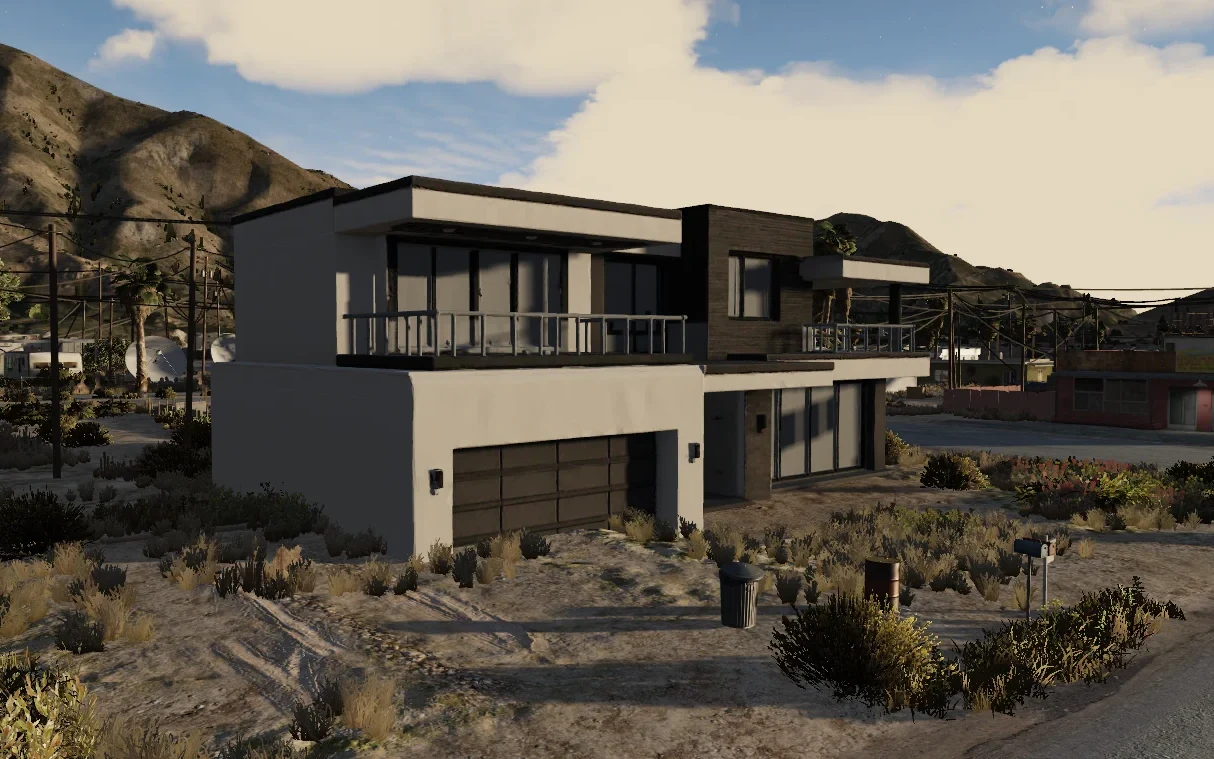
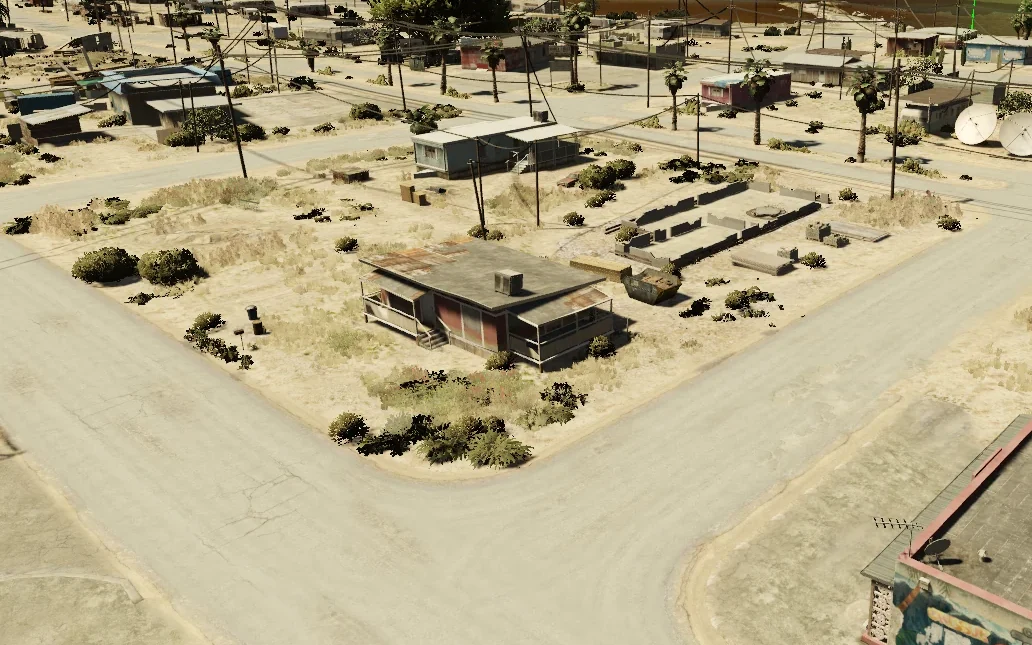
Berkay Karakurt is building that kind of city from Türkiye alone, filling it with tables, containers, streetlights, interiors, and the small objects that make a virtual place feel lived in. No team, no studio budget, just a pipeline.
02 / OVERVIEW
The scale of the problem
A roleplay city is where players live out stories. Before Berkay places a single prop, he thinks like a city planner: what makes a district feel inhabited? His first challenge isn’t production speed. It’s design logic: deciding what belongs where, and why players should believe the place has been lived in.
Then everything has to work as a system. Plates match table scale. Street furniture shares a visual language across blocks. Each category, from interiors and vehicles to street objects and decorations, has its own volume demand: 5 unique vehicles but 80 decorative props. Keeping size, style, and density coherent without a team is where most solo creators hit a wall.
Only after design and system rules are set does the production bottleneck hit: how does one person make hundreds of cohesive assets? Model from scratch in Blender, texture, UV unwrap, optimize, convert to GTA V format, test in-game. One object per day. A full map meant months. Berkay had a community waiting.
“AI is not only creating a 3D model. It is helping speed up real game environment production.”
03 / OVERVIEW
The pipeline that changed everything
Tripo solved the production bottleneck at the layer where Berkay needed the most help. The slowest part had always been the early stage: modeling from scratch and hunting for textures. With that first pass handled, he could spend more time on design decisions and keeping the city consistent.
The workflow now looks like this: idea or reference image → Tripo generates a base 3D model → Blender cleanup and low-poly optimization → GTA V prop format conversion → FiveM server integration → in-game testing.
Instead of starting from a blank Blender file, Berkay gets a usable shape in under ten minutes. That gives him more time for design logic and system fit: the work that decides whether an asset belongs in the city.
In practice, he can test more ideas, explore more variations, and move a full environment from empty to lived-in much faster than before. Instead of one prop per day, he can push 15 to 20 assets through the pipeline in the same time.
04 / OVERVIEW
When the city came alive
The change was obvious once the community saw the work. Players walked into interiors that felt custom-built because they were. Viewers watching Berkay work kept asking the same question: “How are you doing this so fast?”
He’s now taking the same workflow into his next project: a VR headset system for GTA roleplay, with fully playable in-game experiences. Every prop in those virtual spaces runs through the same Tripo pipeline. It’s still one person building a whole interactive world.
05 / OVERVIEW
What this proves
The bigger point is what speed does to scope. If one creator can fill a city with custom assets, roleplay servers stop being projects that require studio backing. They become small commercial ecosystems: servers, creators, modders, players, and communities all building value inside the same space.
That changes the player experience, too. More chosen detail means a virtual city can feel less like a map and more like a place people return to. Streets have identity. Interiors have texture. Communities get spaces dense enough to gather, roleplay, and belong.
Zoom out, and Berkay’s story touches the bigger 3D question: how do rich, believable worlds get built at all? One answer is a studio with hundreds of artists. Another is a solo creator with an AI pipeline, where geometry moves faster and human judgment decides what the world means.
For Tripo, the point isn’t only speed or asset count. It’s opening a workflow where more people can build living 3D spaces, and where world models are shaped by the communities that use them.