

01 / OVERVIEW
Quick Answer
For high-quality 3D asset creation, Tripo has the stronger advantage in our tested workflows. The generated assets stayed closer to the reference, showed more coherent mesh and UV organization, and retained more visible texture and material detail than the GPT-6 Astra outputs we evaluated.
GPT-6 Astra adds more value at the scene level. It can use code and software tools such as Blender to arrange objects, set lighting, control applications and build interaction. Astra can also create geometry, but asset generation is not where it matched Tripo in our tests.
For projects that need both custom 3D assets and an interactive scene, Tripo and Astra can work well together. Tripo handles the asset-focused workflow, including generation and further asset refinement, while Astra can organize those assets into a larger scene and add code-driven behavior.
02 / OVERVIEW
Which Should You Use?
| Your Task | Best Fit | Why |
|---|---|---|
| Create and refine a high-quality 3D asset | Tripo | Stronger reference fidelity, mesh/UV organization and surface detail in the tested asset-generation examples. |
| Generate 3D assets quickly at predictable cost | Tripo | Tripo P2.0 generated each tested asset in approximately 26 sec at approximately USD 1.20. Astra took 24–48 min at USD 7.81–8.81 (API-equivalent estimate). |
| Arrange assets into a scene | GPT-6 Astra | Better suited to scene-level placement, lighting and software control. |
| Add controls, behavior or interaction | GPT-6 Astra | Can use code and tools to build game logic and interactive behavior around existing assets. |
| Build an interactive experience with custom 3D assets | Tripo + Astra | Tripo handles the asset-focused workflow; Astra extends those assets into a scene-level interactive experience. |
03 / OVERVIEW
What We Tested
For the overlapping asset-generation task, we compared Tripo P2.0 and GPT-6 Astra using matched image-to-3D references. Astra generated the evaluated assets through a Blender MCP workflow. We reviewed reference fidelity, mesh structure, UV organization, BaseColor and materials, and separately recorded generation time and estimated cost.
Astra’s scene-building and interaction capabilities are evaluated from its workflow and the combined Tripo + Astra examples rather than from the asset-quality benchmark alone.
04 / OVERVIEW
When Both Generate 3D Assets, Tripo Leads
GPT-6 Astra can create geometry through code and software tools, but when the task is generating the individual 3D asset itself, Tripo produced stronger results across the tested examples.
Closer to the Reference
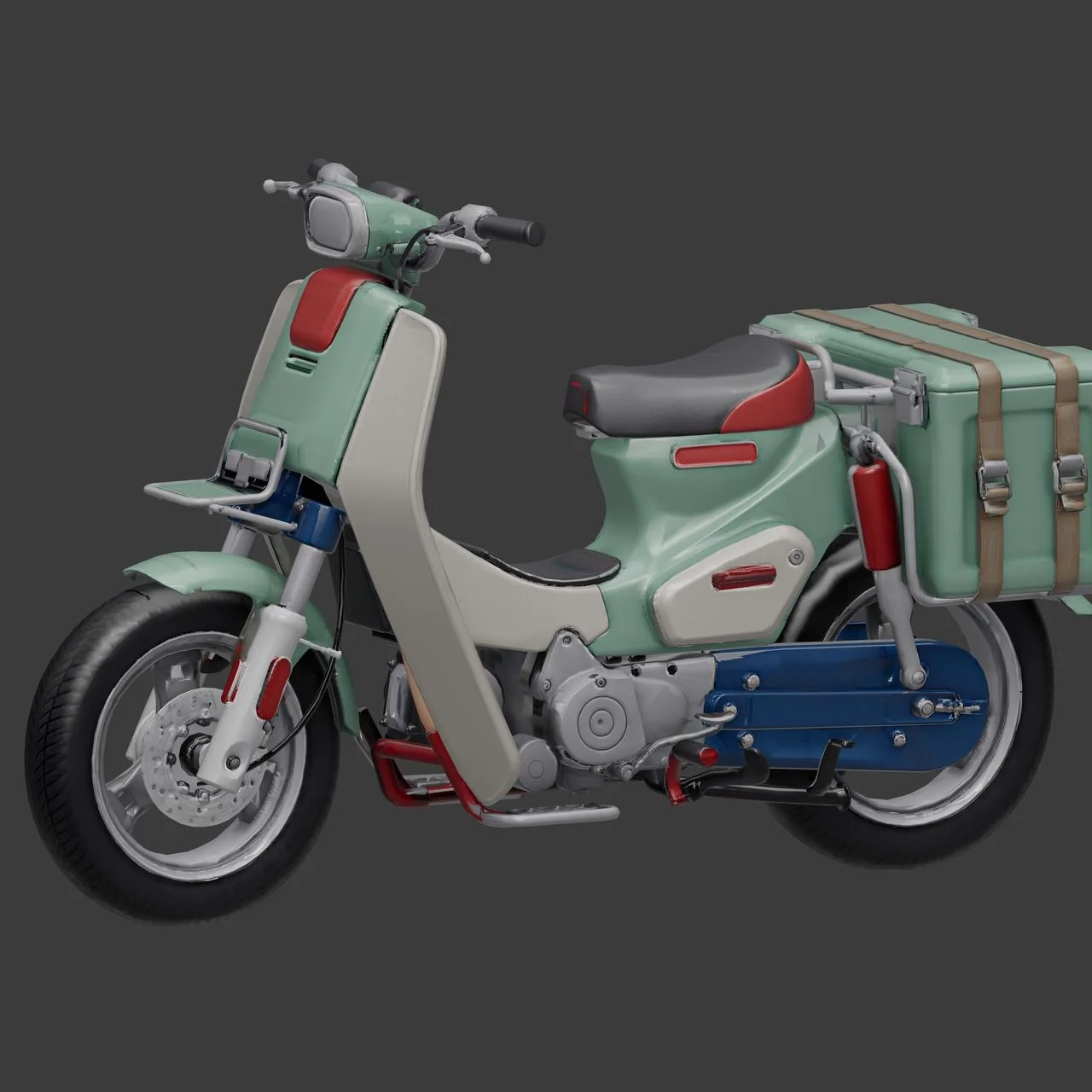
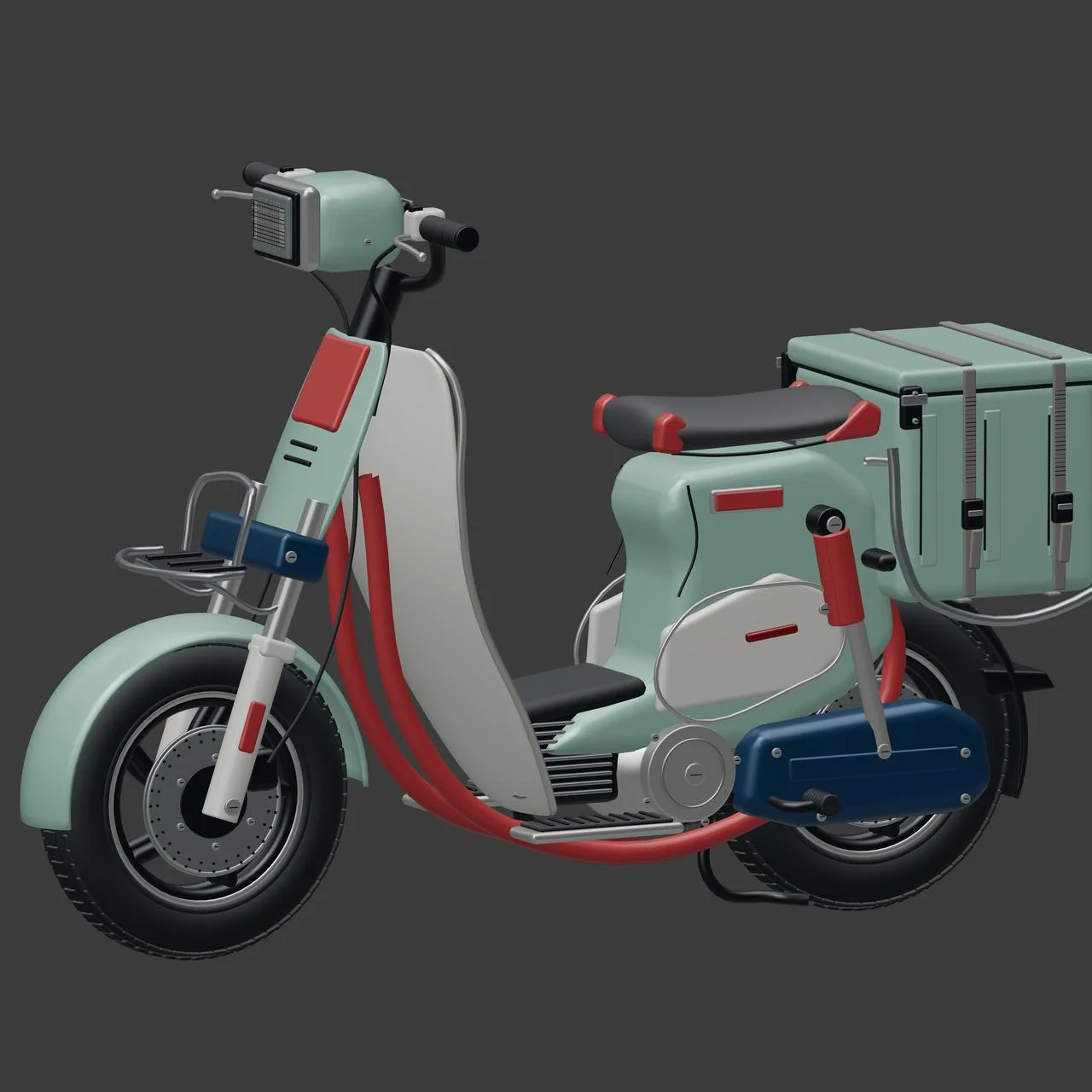
Tripo preserved the reference shape, proportions and part structure more consistently in the tested assets. In several Astra outputs, the overall design was simplified or changed more noticeably.
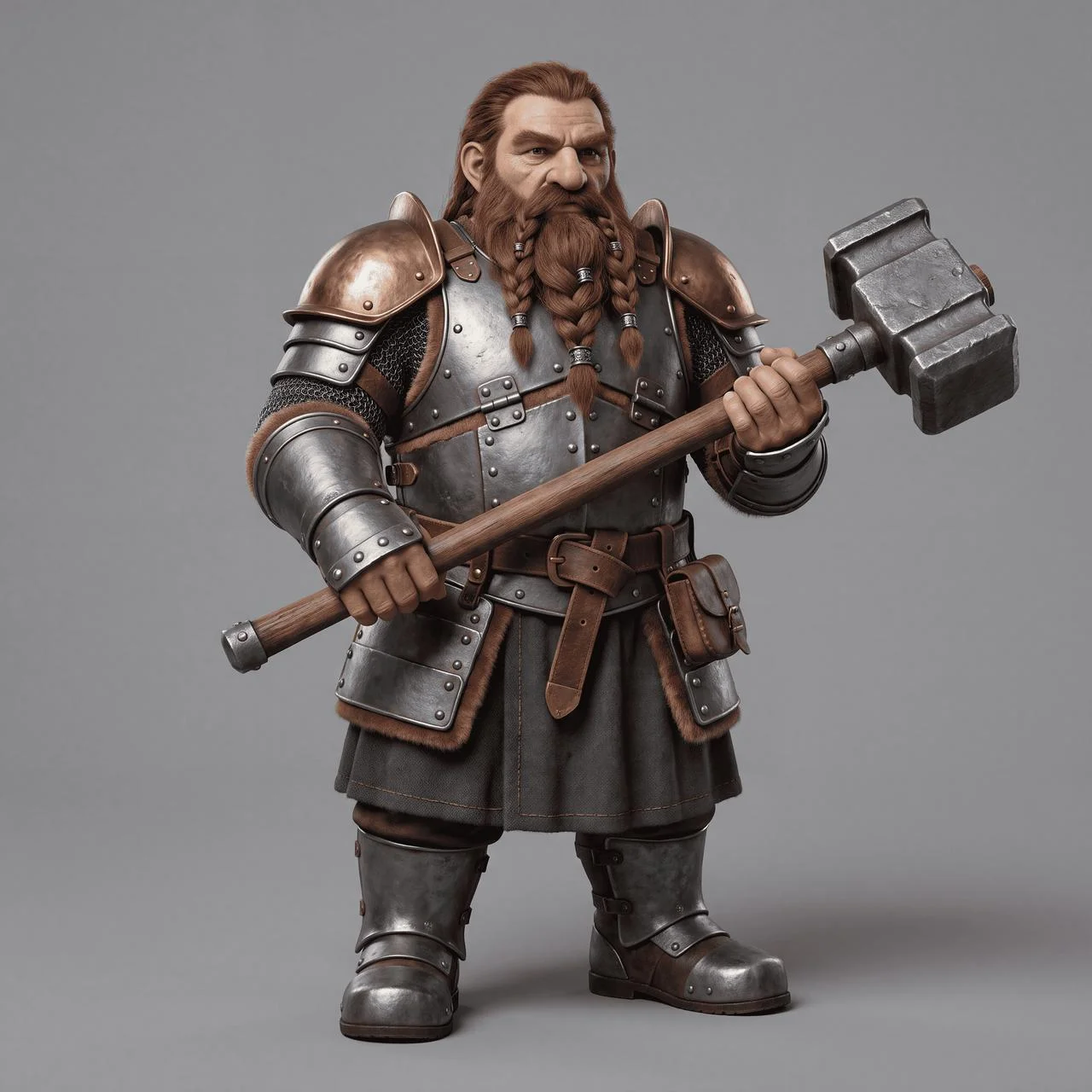
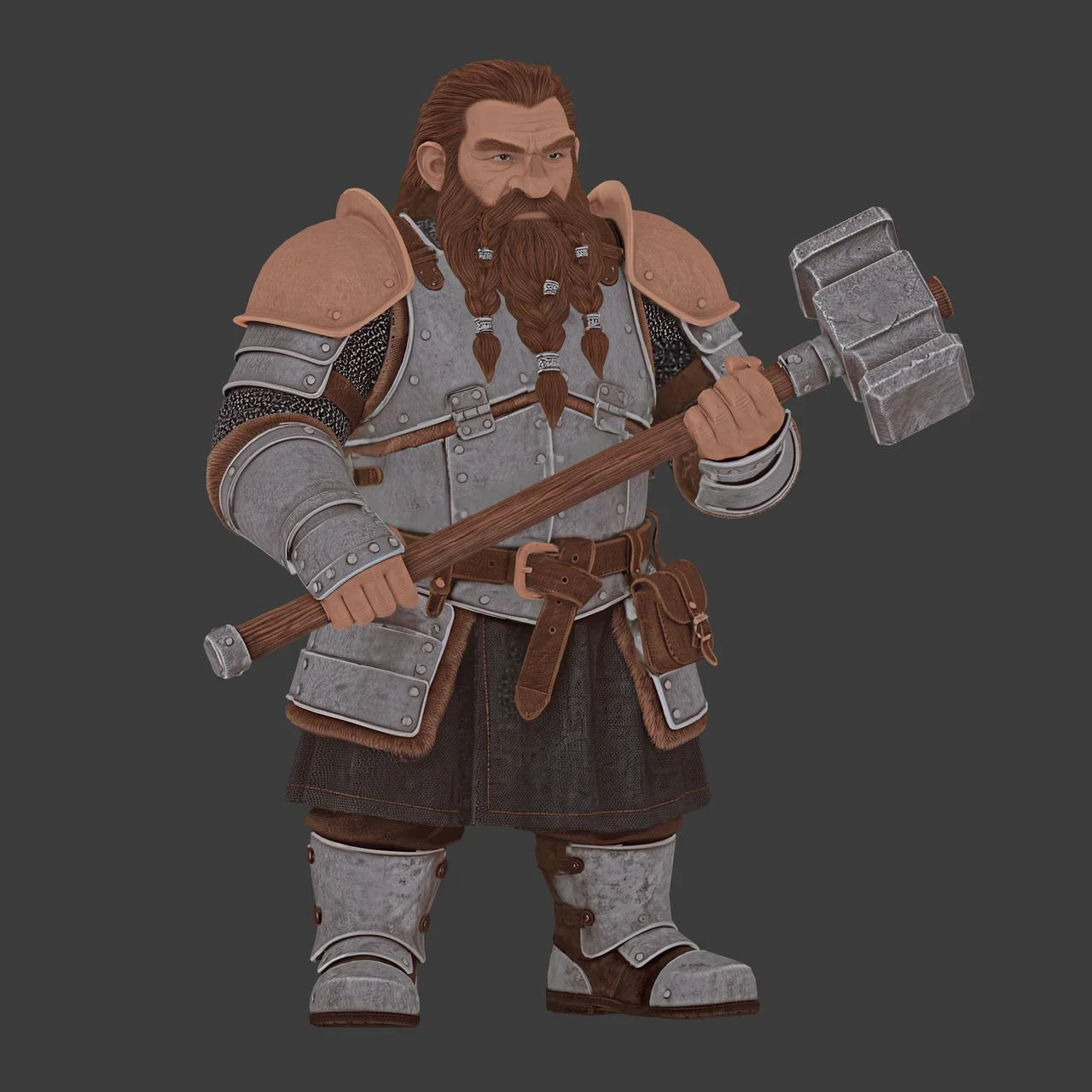
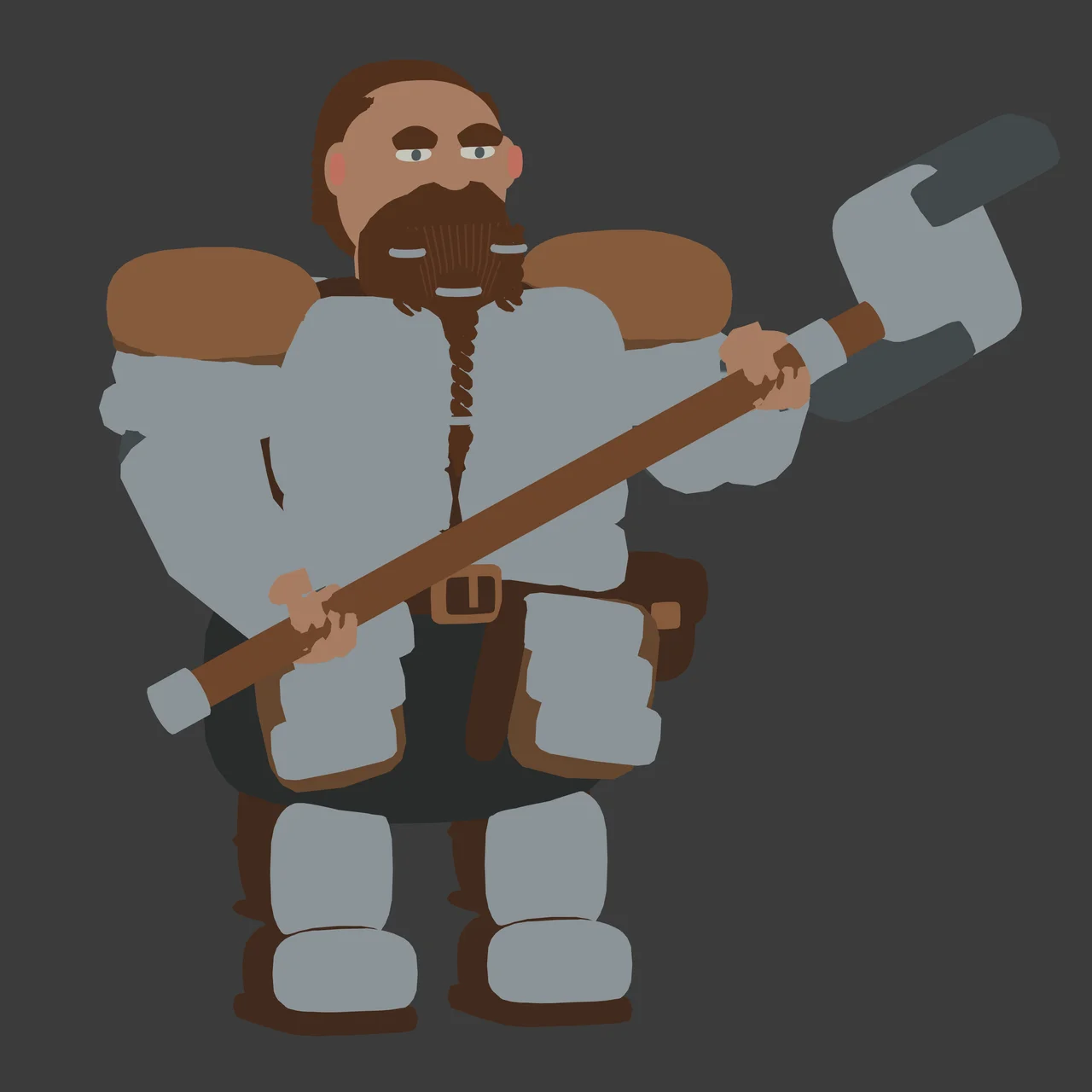
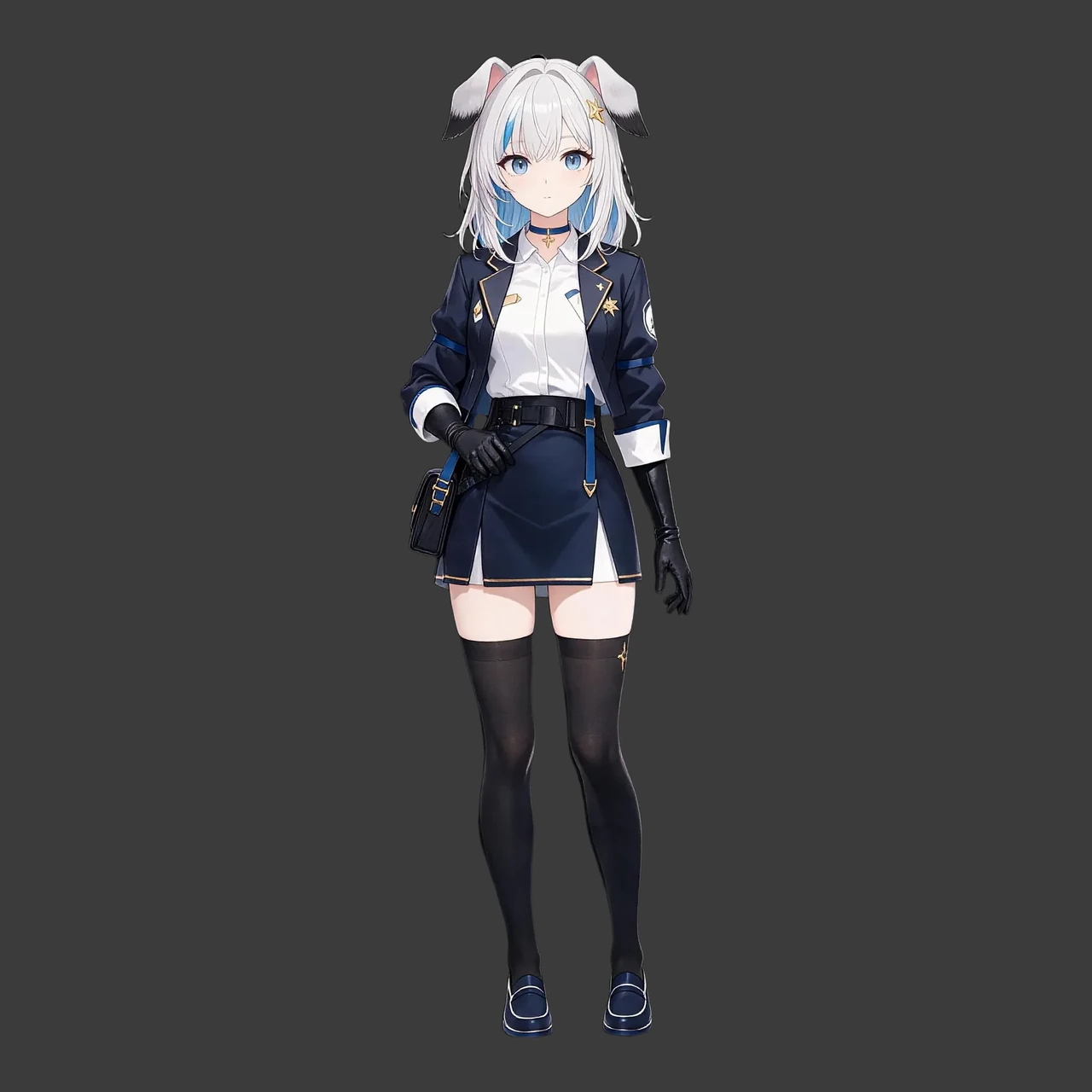
This matters because shape errors are expensive to correct later. A generated asset that already follows the intended silhouette and proportions gives creators a stronger starting point for refinement.
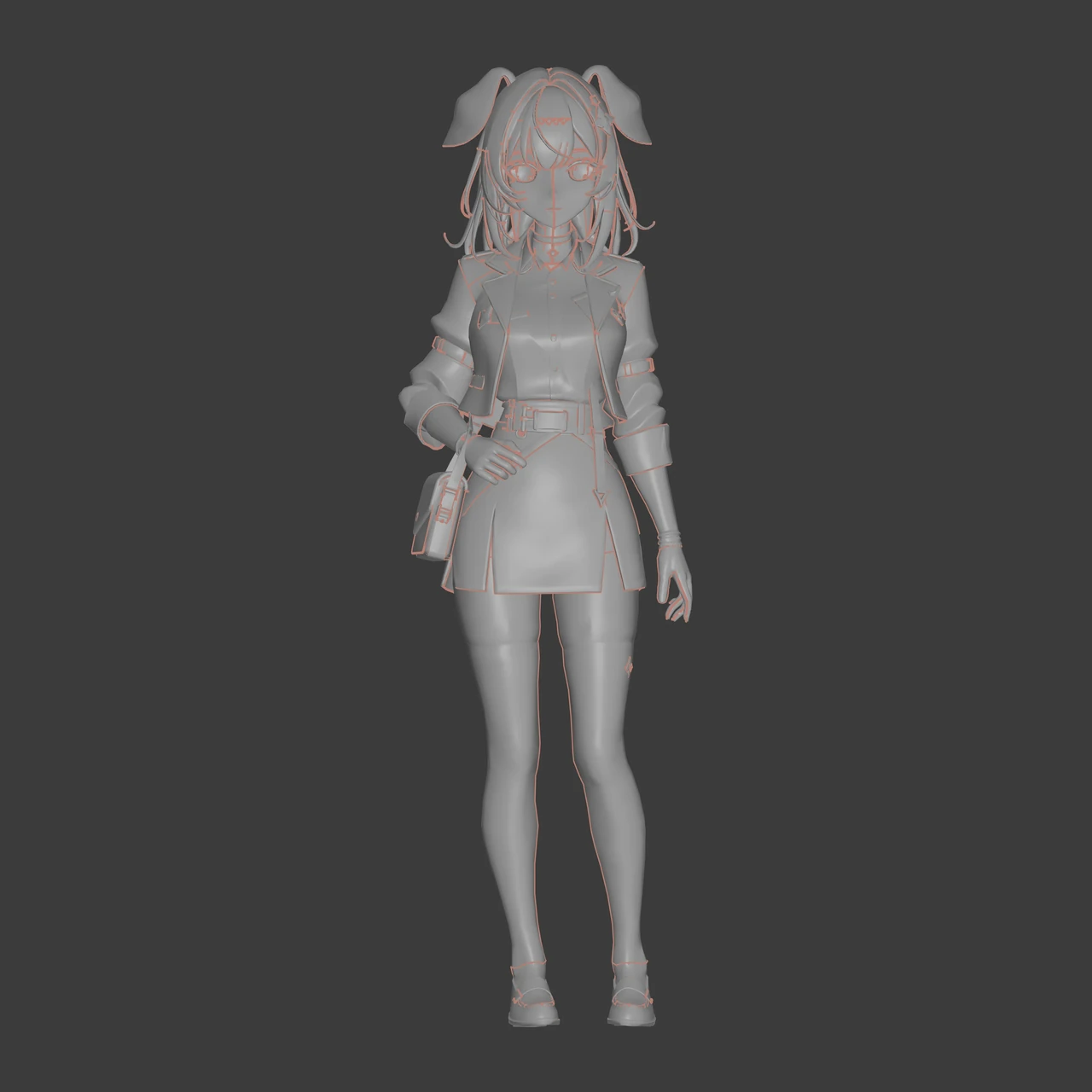
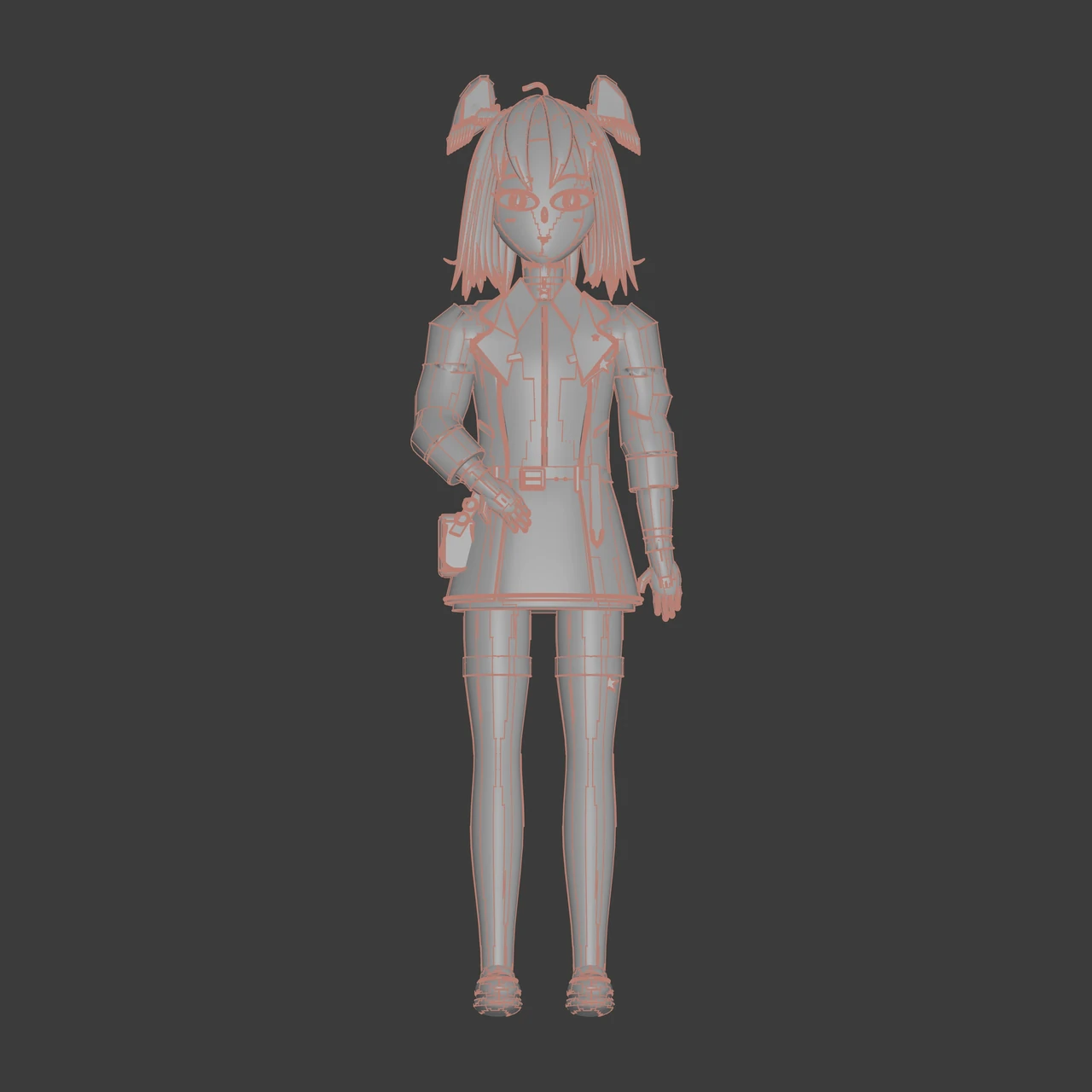
More Coherent Mesh Structure
Tripo distributed geometry more consistently around important forms in the tested assets, creating a cleaner starting mesh for further editing. In comparison, several Astra wireframes showed denser or less even geometry distribution.

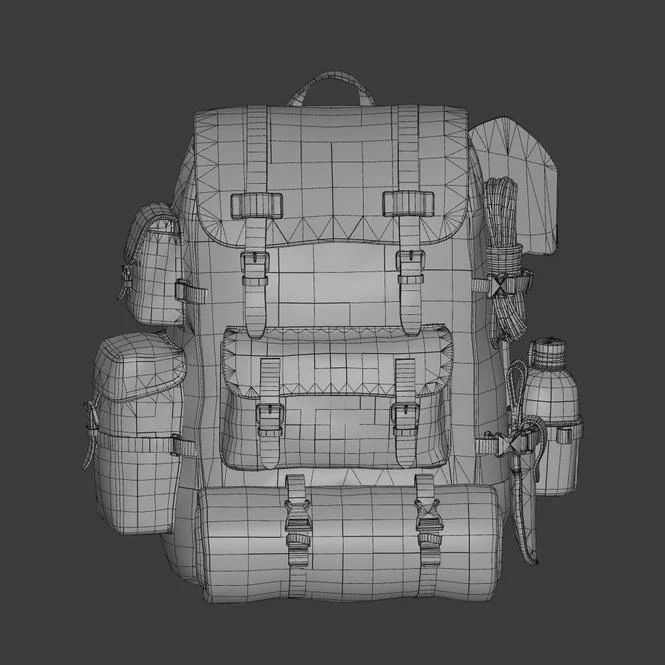
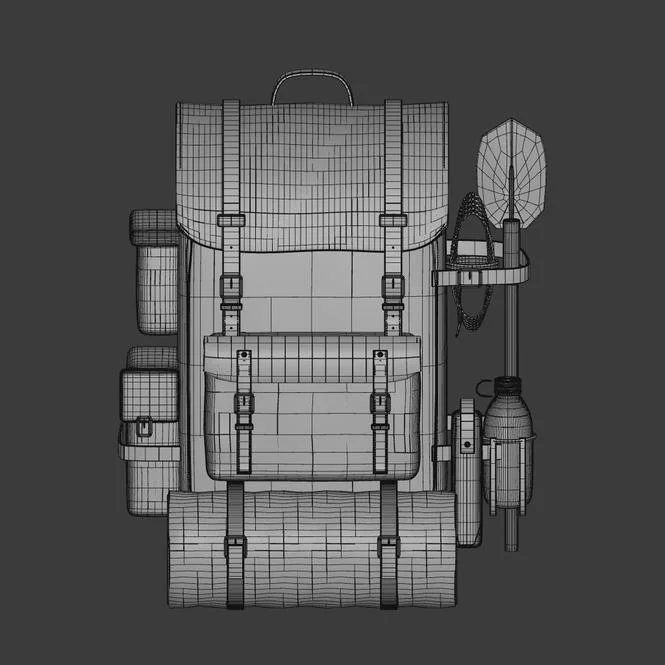

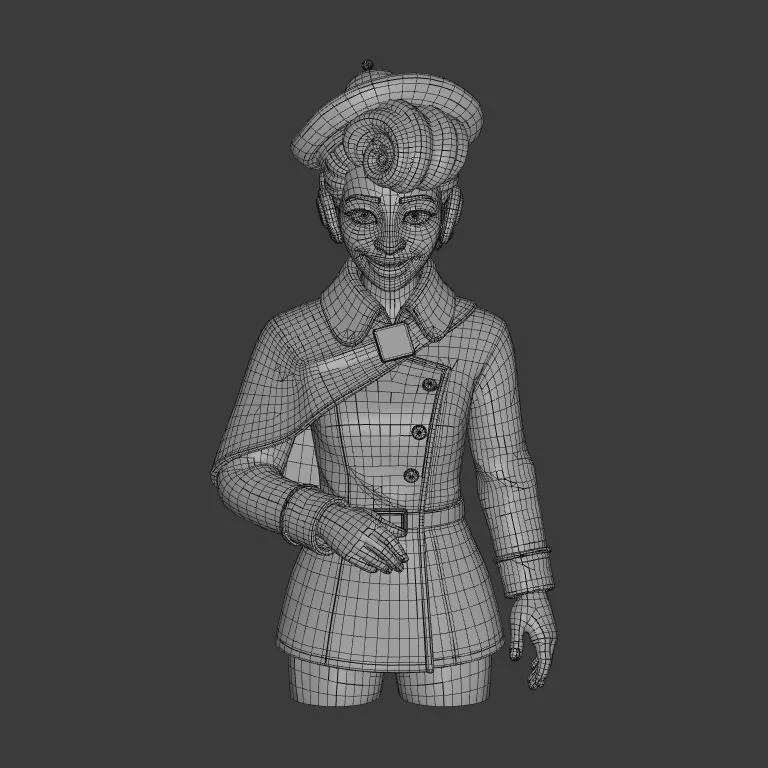
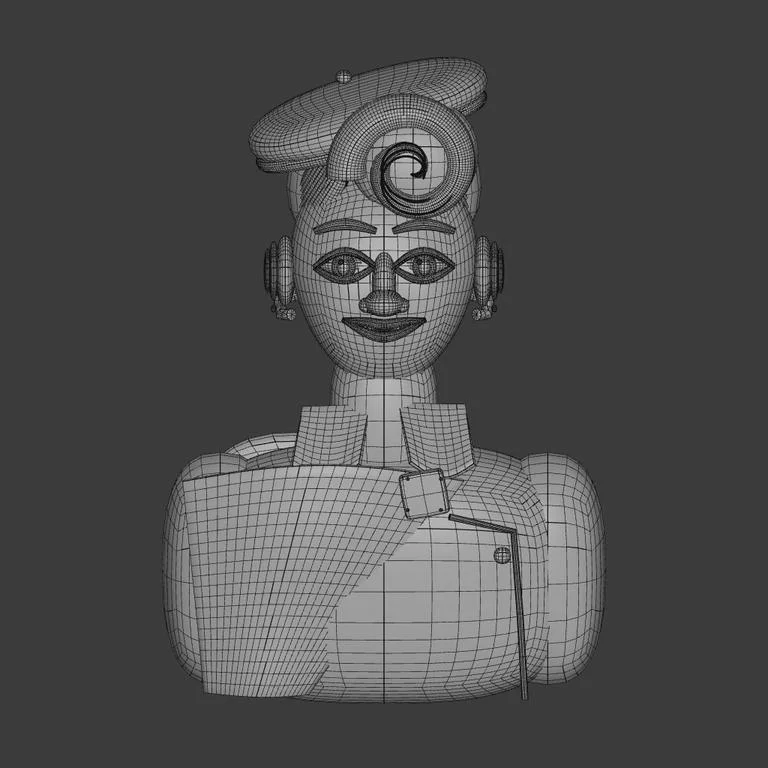
A more coherent mesh makes it easier to identify and adjust the parts of the model that matter most.
Cleaner UV Organization for Further Editing
Tripo kept larger, more recognizable surface regions together in the tested UV layouts. Astra split more of the same assets into narrow strips and smaller islands.
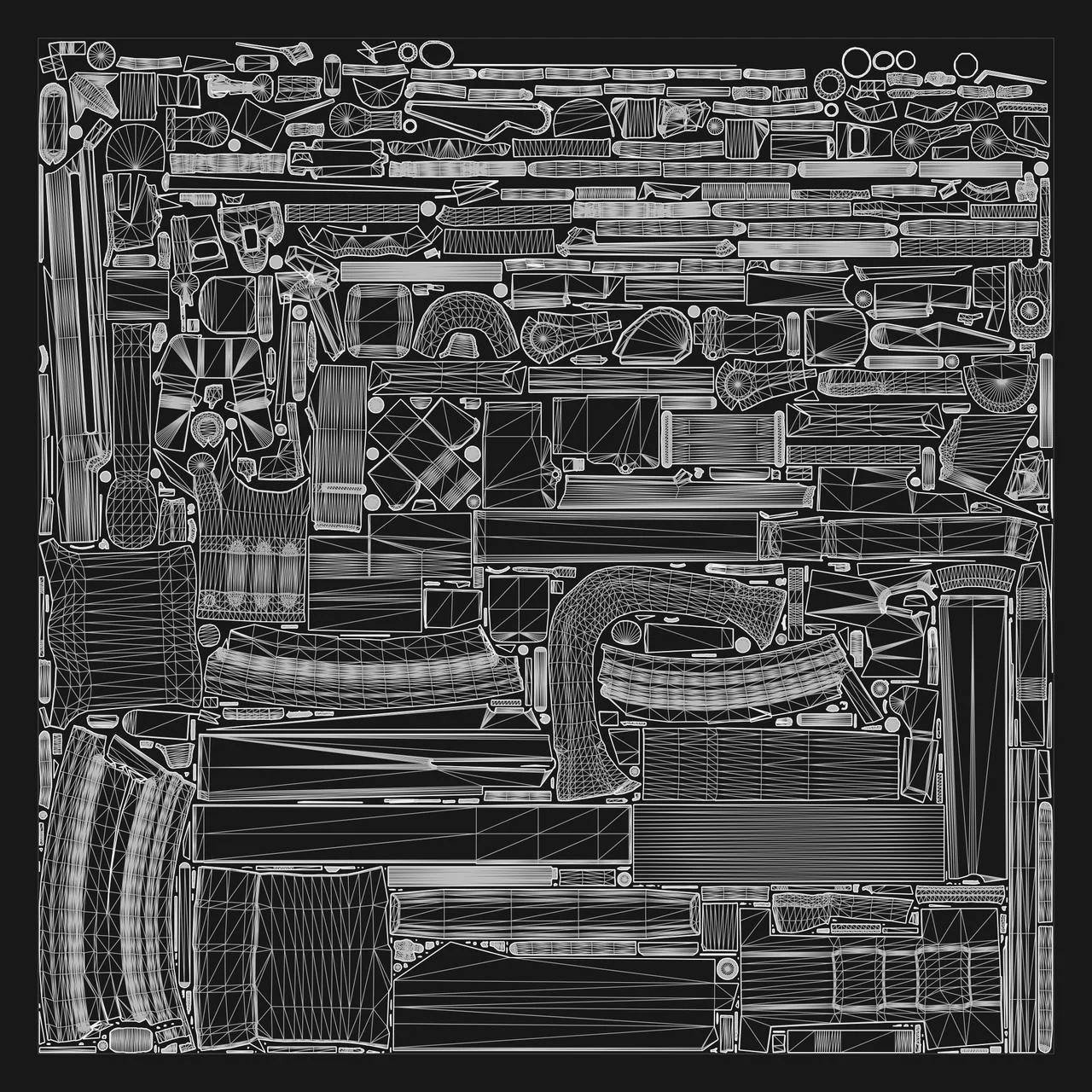
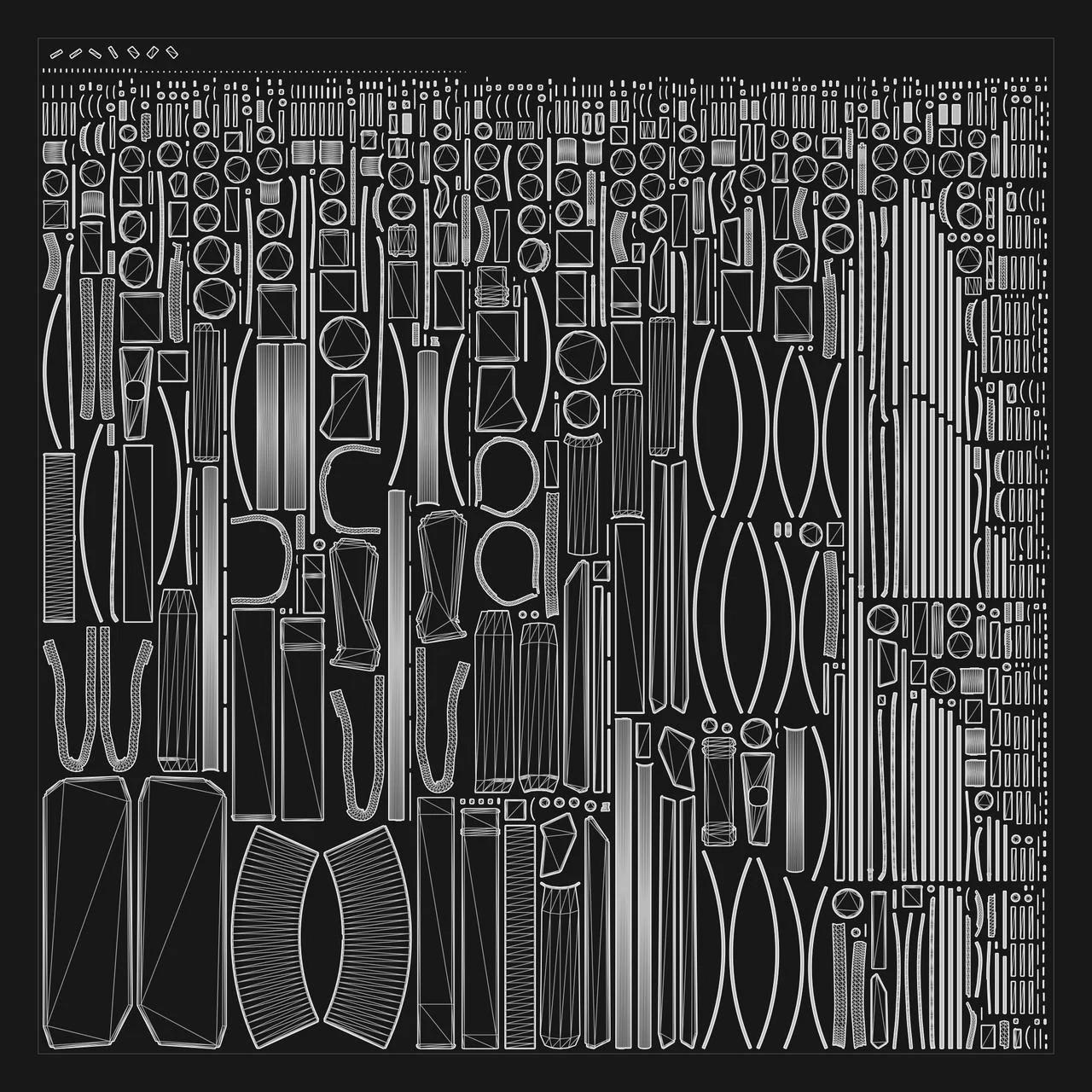
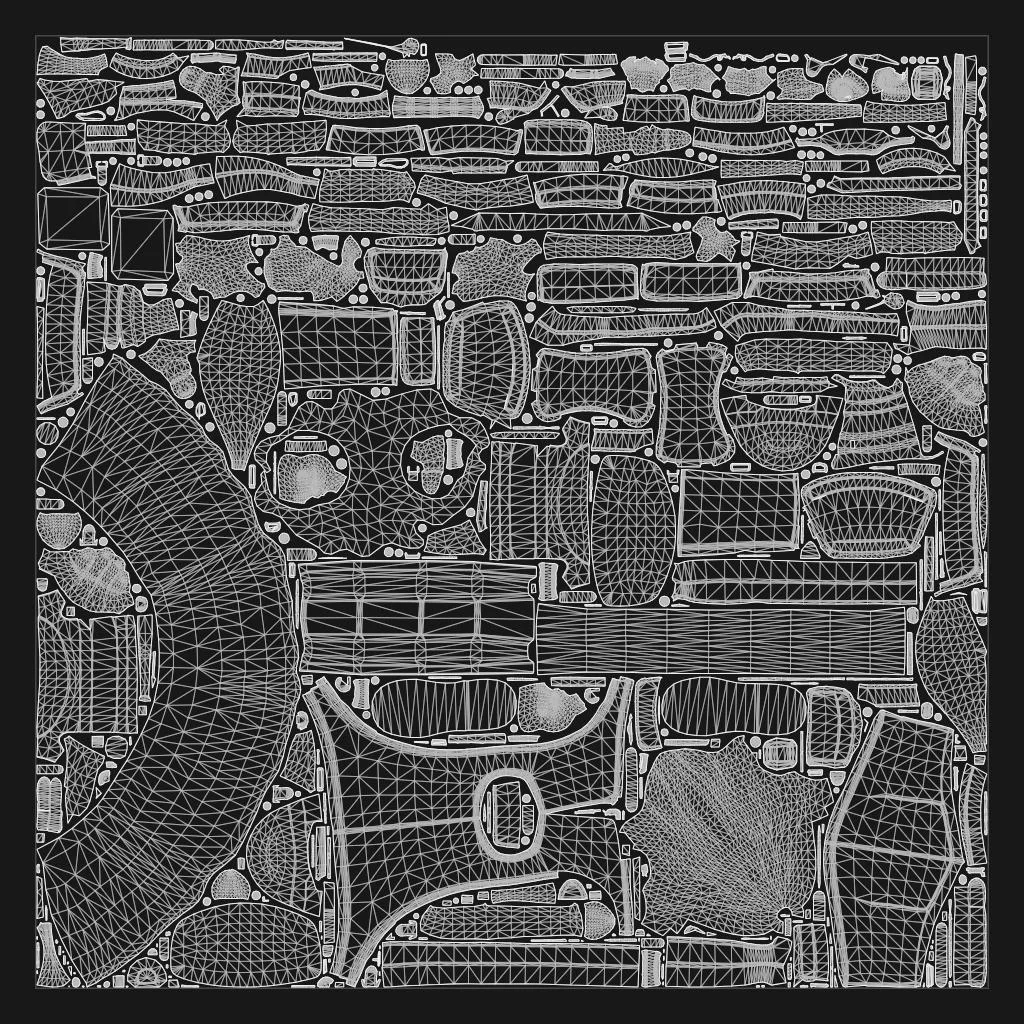
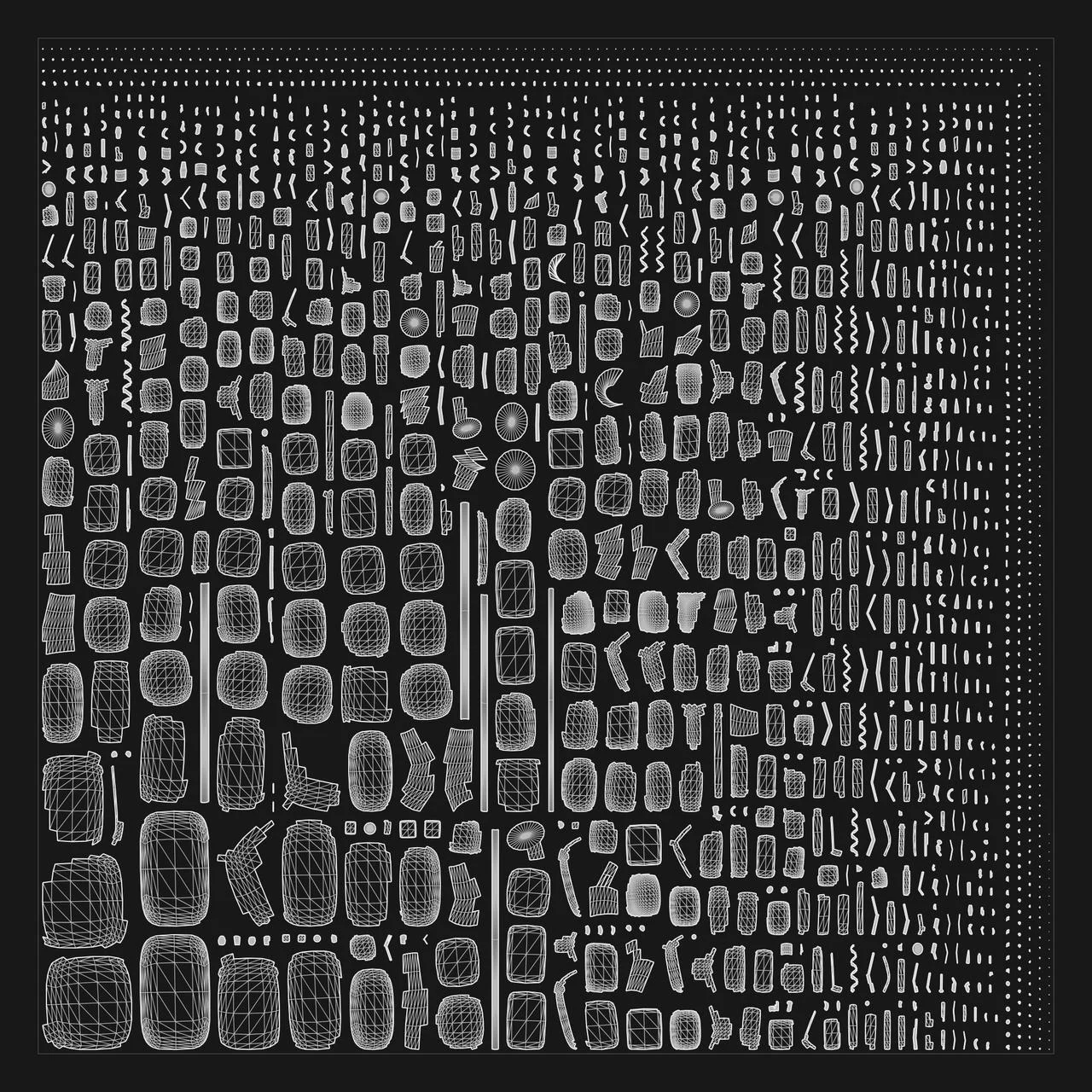
For texture editing, larger and more coherent UV regions are easier to understand, paint and revise. The goal is not simply fewer islands, but a layout that better reflects the structure of the asset.
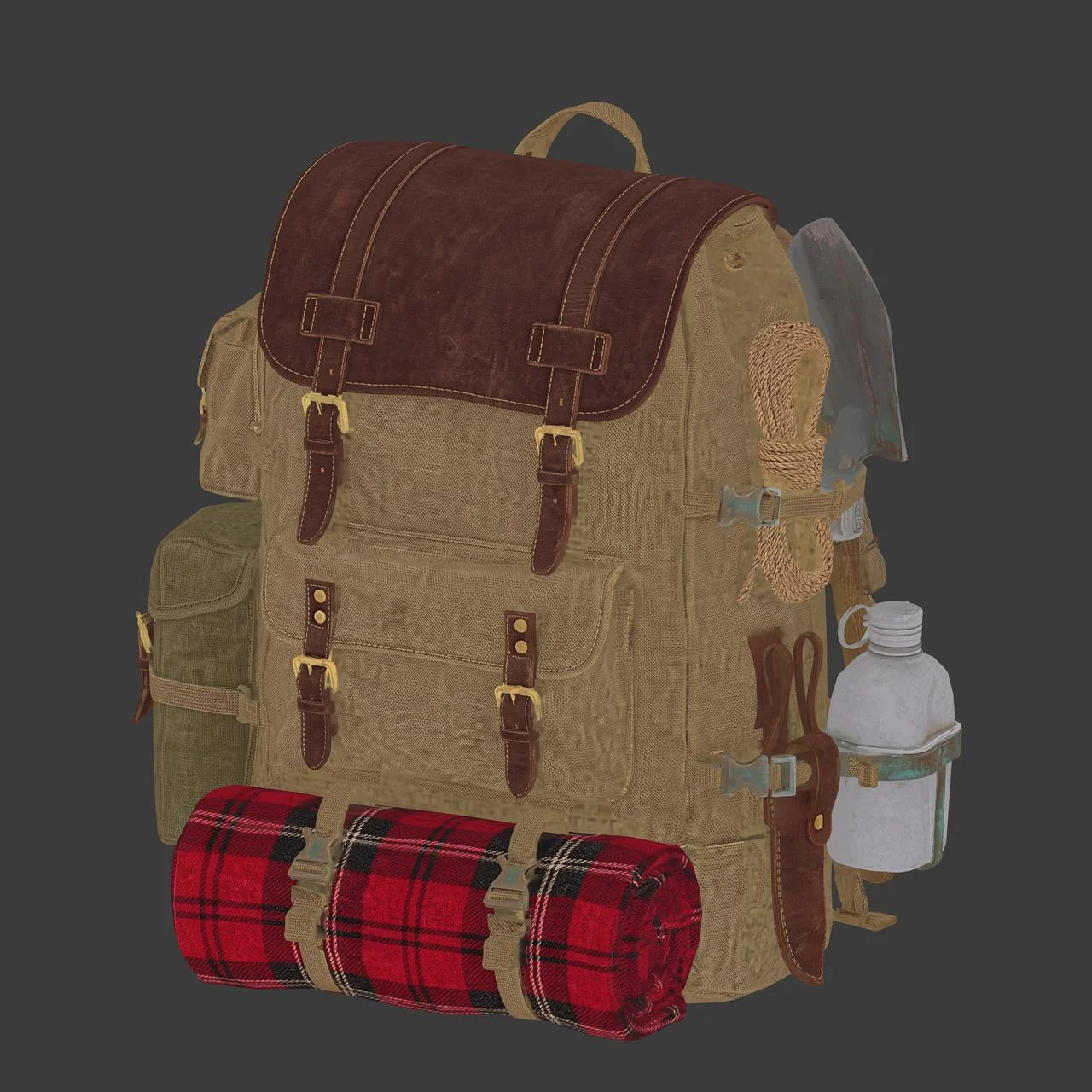
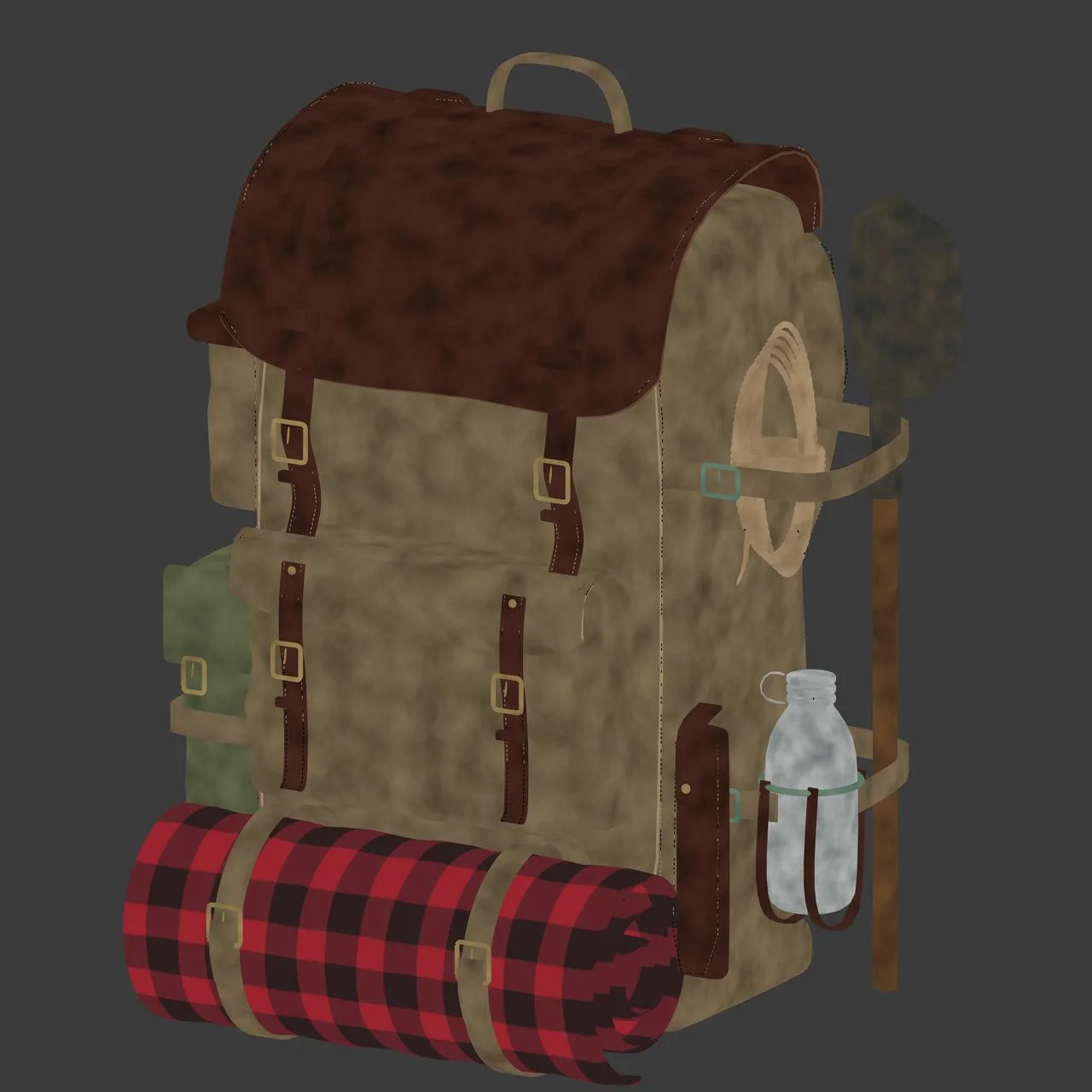
Richer Texture and Material Detail
Tripo retained more visible BaseColor variation and material detail from the reference in the tested examples.
On the backpack, Tripo's details such as fabric texture, leather stitching and the checked blanket remain more visible.
On the scooter, Tripo gives the painted panels, seat, tires and exposed metal more differentiated finishes.
05 / OVERVIEW
Why Tripo Is Faster and More Cost-Efficient for 3D Asset Generation
In the three recorded tests, Tripo P2.0 generated each textured asset in 26 seconds at approximately USD 1.20, while GPT-6 Astra took 24m 17s to 47m 46s, with estimated API-equivalent costs of USD 7.81–8.81.
| Metric | Tripo P2.0 | GPT-6 Astra |
|---|---|---|
| Generation time | 26 sec per tested textured asset | 24m 17s–47m 46s across recorded runs |
| Estimated generation cost | ~USD 1.20 | ~USD 7.81–8.81, API-equivalent estimate |
| Generation approach | Dedicated 3D generation + texturing | Agent reasoning + Blender tooling |
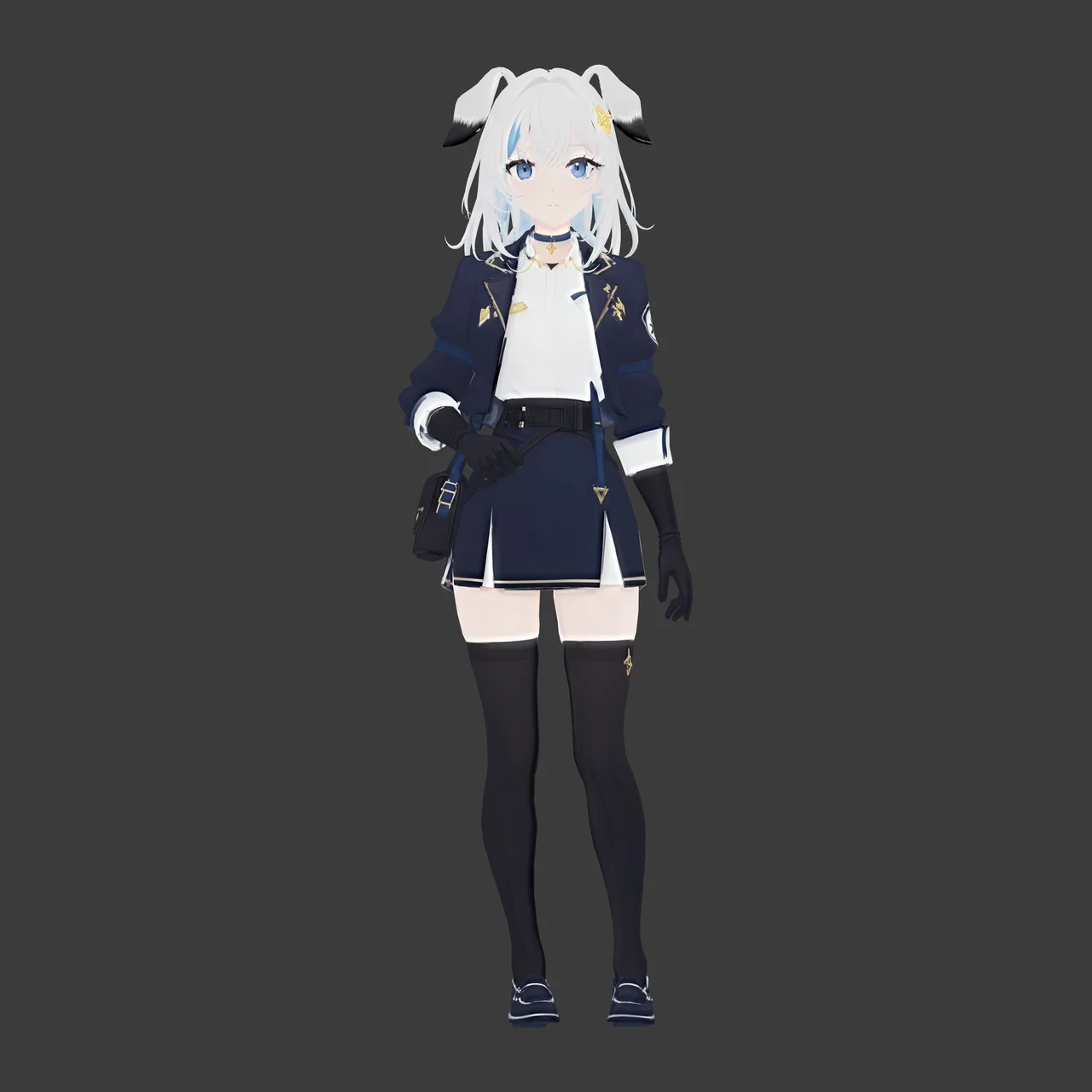
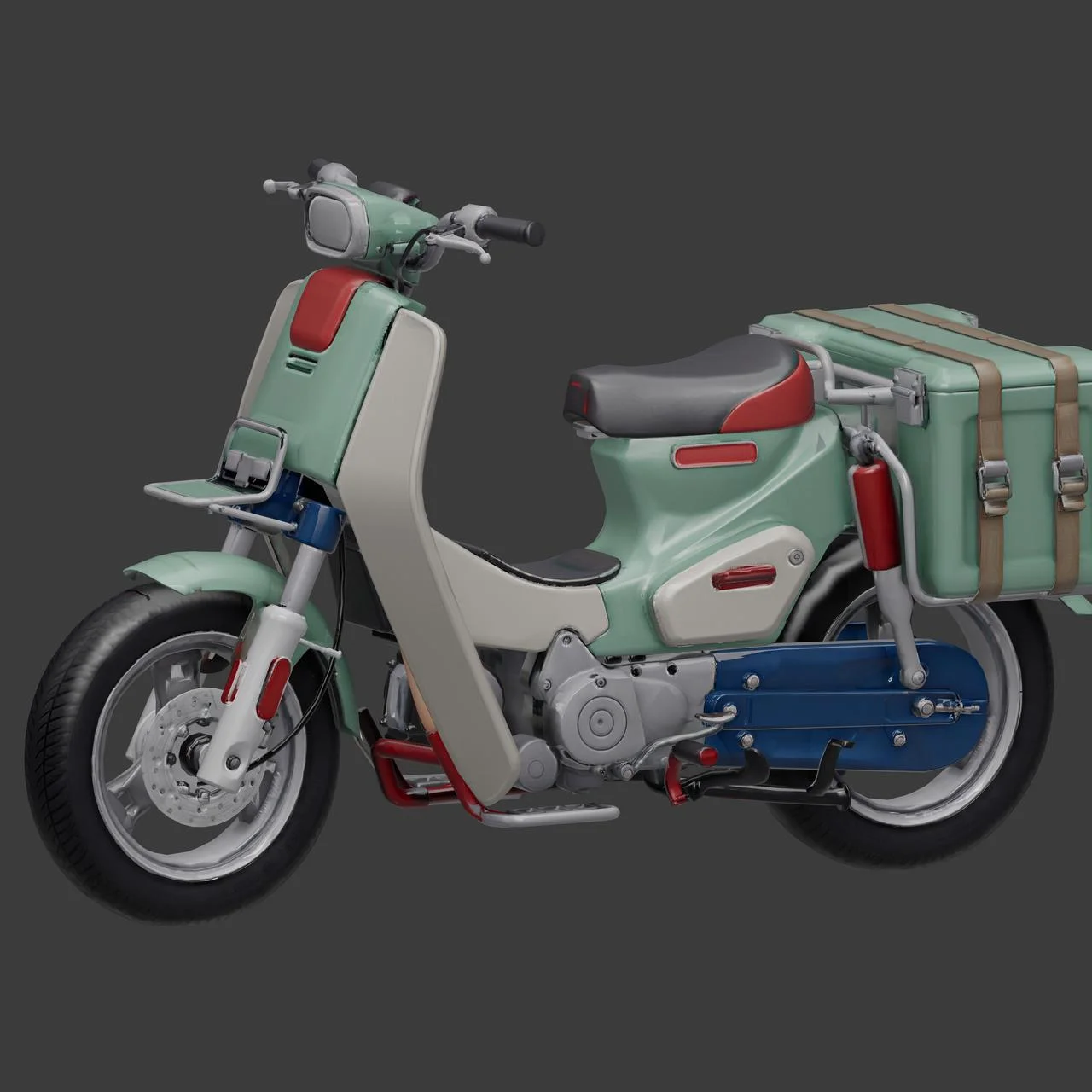
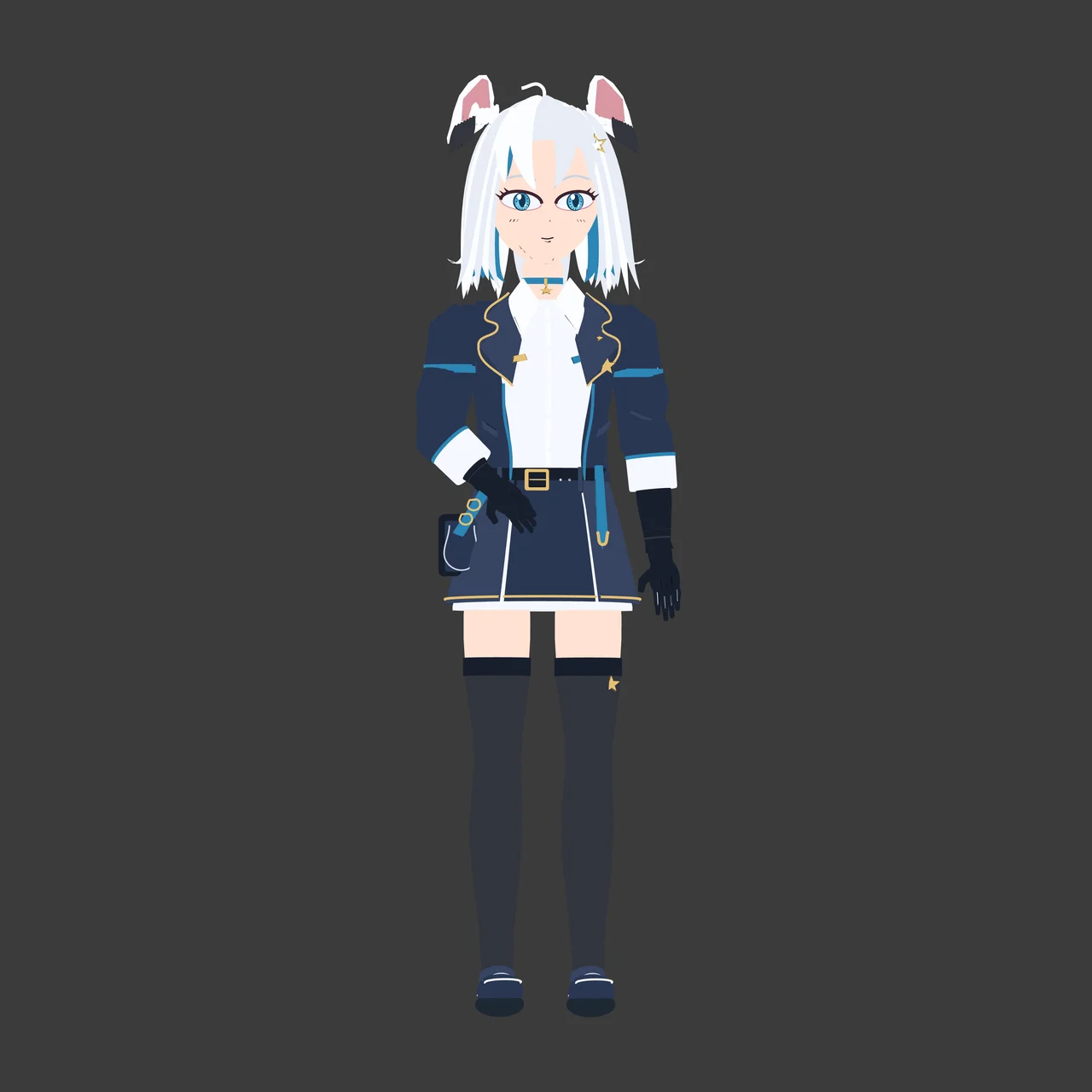
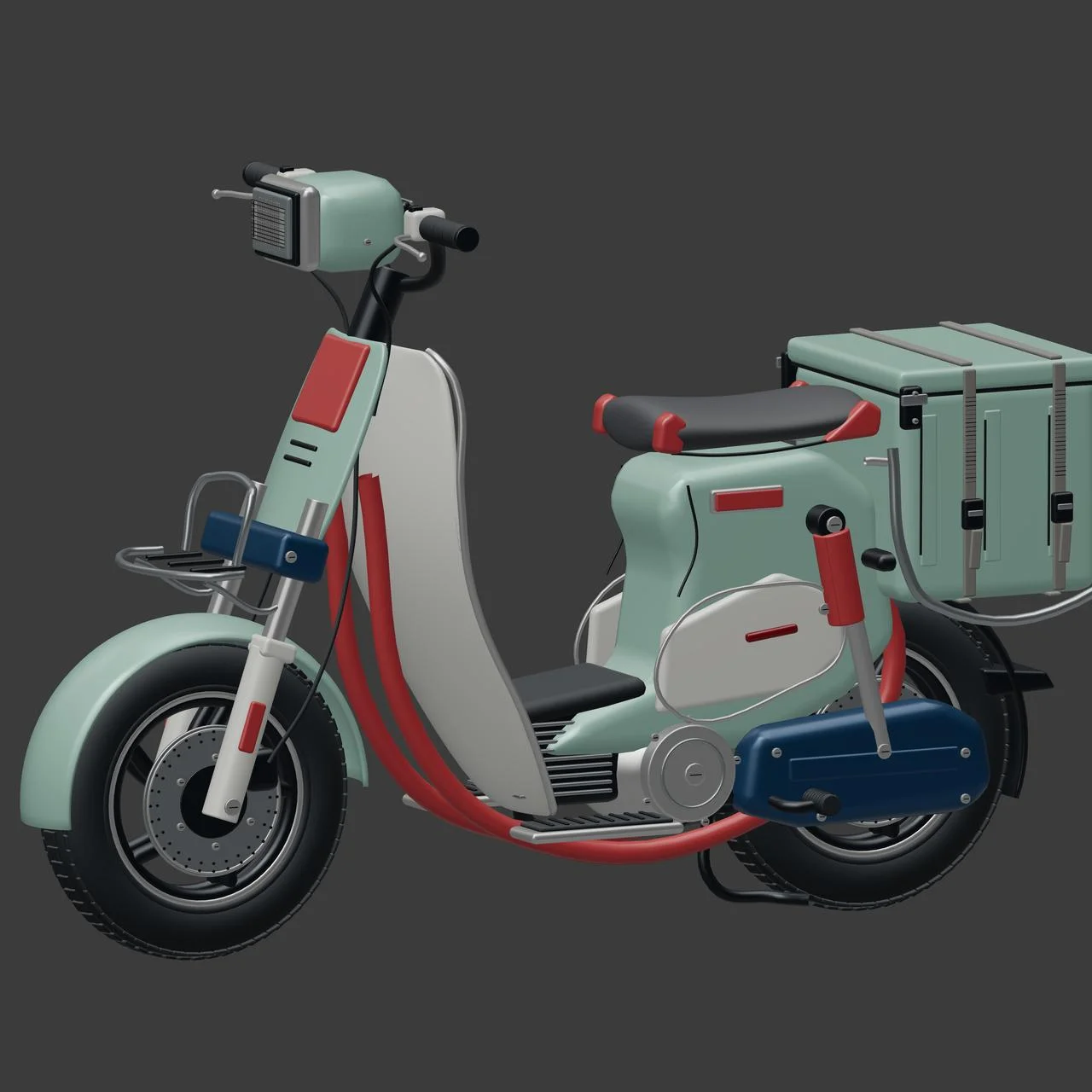
Tripo uses a dedicated 3D generation pipeline, while Astra reached the tested results through agent reasoning, code and Blender operations. In these runs, that translated into much shorter generation time and lower estimated generation cost for Tripo.
Astra figures are API-equivalent estimates derived from recorded token usage and do not represent a direct per-asset subscription charge. The results are individual test sessions rather than universal performance guarantees.
06 / OVERVIEW
Where GPT-6 Astra Adds More Value
GPT-6 Astra becomes more valuable when the task moves from the individual asset to the surrounding scene and experience.
Astra can use code and software tools to place objects, adjust scale and lighting, control applications and build interactive behavior. That makes it especially useful for scene assembly, prototyping and code-driven interaction.
Astra can also create geometry, but in the tested asset-generation tasks it did not match Tripo’s asset quality or efficiency. Its stronger differentiation is what it can do around the assets once they exist.
07 / OVERVIEW
Why Tripo + GPT-6 Astra Work Well Together
Tripo and GPT-6 Astra are most complementary when a project needs both high-quality custom 3D assets and a larger interactive experience. Tripo brings stronger asset quality and an asset-focused 3D workflow, while Astra adds more value at the scene level, placing objects, organizing environments and building code-driven controls or interaction.
The best-practice pattern across the examples below is consistent: use Tripo to create or upgrade the 3D assets, then let Astra keep the surrounding scene, logic and interaction working around them.
Jelly Jungle — Upgrade the Assets Without Rebuilding the Game
Jelly Jungle shows the simplest version of this workflow. Astra provides the playable Three.js game, including the level structure and interaction, while Tripo-generated assets replace simpler scene objects.
The Tripo version gives the trees fuller foliage, adds more detail to the mushroom caps and makes the jelly character more distinctive, while the course and game progression remain unchanged. In practice, the visual quality can improve without rebuilding the gameplay around it.
ODD ARMS — Personalize Assets Without Changing Game Logic
ODD ARMS applies the same pattern to player-generated content. Tripo is used to create or import custom heroes and weapons, while the existing game system keeps the same statistics, abilities and gameplay rules.
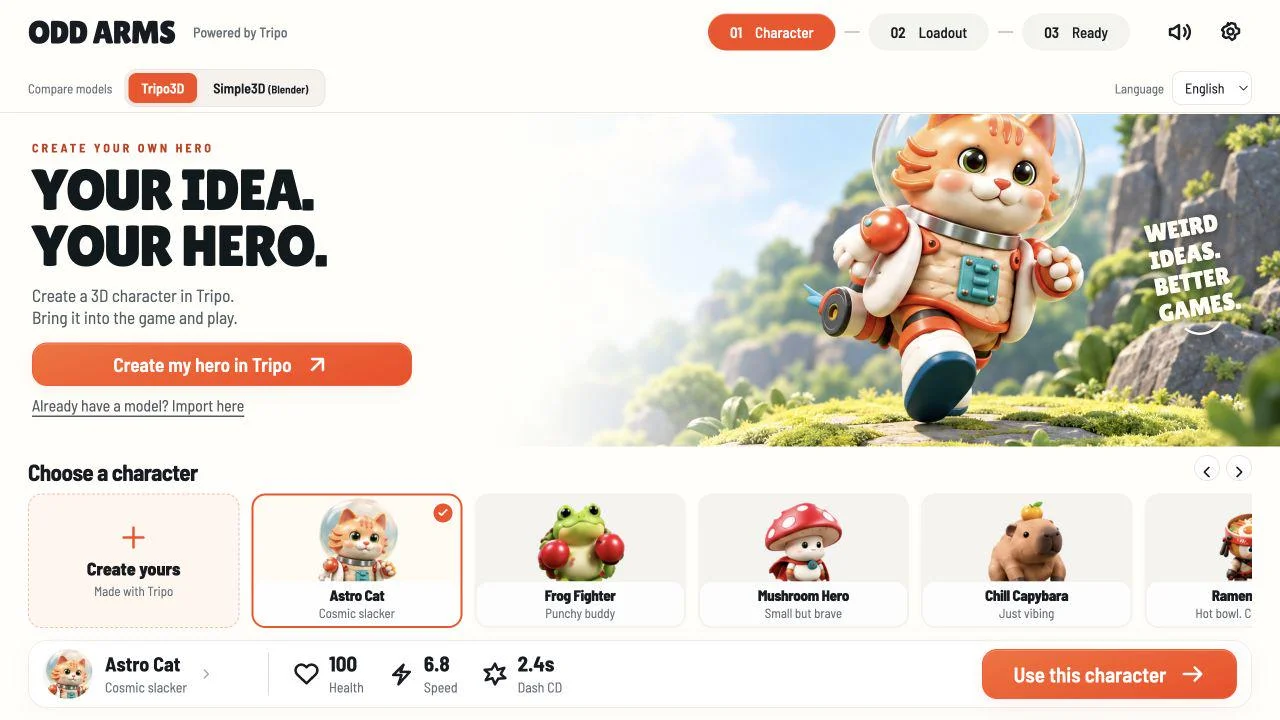
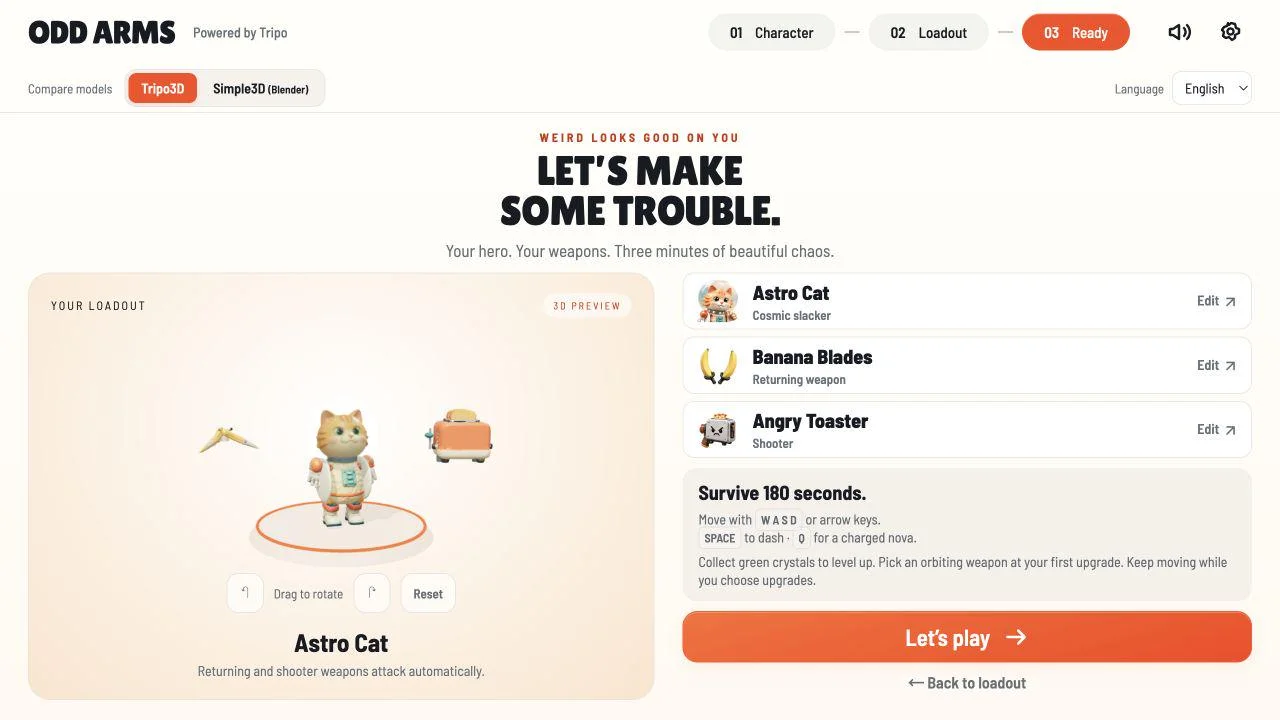
This separates what the asset looks like from how the experience behaves, making the workflow useful for personalized characters, weapons and other UGC that needs to fit into an existing interactive system.
Bleach Throne Hall — Improve Character Quality Inside an Astra Scene
The Bleach throne-hall example shows the same complementarity in a more cinematic setting. In the same staged scene, the workflow using Astra + Blender + Tripo P2.0 produced a character with a more defined face, more varied hair and richer robe and sword-grip detail than Astra + Blender alone.
Here, Astra continues to handle the surrounding scene, while Tripo improves the quality of the character placed inside it.
A Recommended Tripo + Astra Workflow
Across these examples, the same workflow emerges:
- Create or refine the 3D assets in Tripo: generate the character, prop or product and prepare the asset to the level of quality the project needs.
- Bring the assets into the Astra workflow: use Astra to place and organize them in the scene, adjust scale and surrounding elements, and connect them to the broader experience.
- Add scene-level behavior with Astra: use Astra to build controls, logic and interaction around the Tripo-generated assets.
The practical takeaway is simple: Tripo strengthens the 3D asset itself, while Astra extends those assets into a larger scene or interactive experience. When both asset quality and interaction matter, using each tool for the part of the workflow where it adds the most value creates a more effective combined pipeline.
08 / OVERVIEW
Tripo, GPT-6 Astra, or Both?
- Use Tripo when the quality and editability of the 3D asset itself are the priority.
- Use GPT-6 Astra when the assets already exist and the main task is scene assembly, software control or interaction.
- Use Tripo + GPT-6 Astra when you need both custom high-quality assets and an interactive scene or application.
09 / OVERVIEW
Frequently Asked Questions
Is Tripo better than GPT-6 Astra for generating 3D assets?
In the tested image-to-3D tasks, yes. Tripo produced stronger reference fidelity, more coherent mesh and UV organization, and more visible texture and material detail.
What is GPT-6 Astra better suited for?
GPT-6 Astra is better suited to scene-level work such as asset placement, lighting, software control and code-driven interaction. Its strength becomes more relevant once the individual assets already exist.
Is Tripo faster and cheaper than GPT-6 Astra for 3D asset generation?
In the three recorded tests, Tripo P2.0 generated each textured asset in 26 seconds at approximately USD 1.20, while GPT-6 Astra took 24m 17s to 47m 46s, with estimated API-equivalent costs of USD 7.81–8.81.
Should I use Tripo or GPT-6 Astra for game development?
Use Tripo for creating and refining characters, props and other custom 3D assets. Use Astra for arranging those assets into a scene and implementing controls or interaction. Projects that need both can benefit from combining the two.
Can Tripo and GPT-6 Astra be used together?
Yes. A practical workflow is Tripo for the asset-focused workflow → Astra for scene assembly → Astra for interaction and logic. This allows creators to improve asset quality without rebuilding the surrounding experience.