 View in store
Description
Roll for Isekai is a solo-developed 3D fantasy adventure demo set in Lothin, a small town in bright daylight. Painted textures bring visible brushwork to its streets, walls, timber and grass. Explore the town, open a roadside chest, put on leather armor and trade at the square. Talk to residents and invite your friend Bela into the party. Beyond the west entrance and bridge, face goblins in real-time combat: pause, select a companion, give an order, then resume and watch it unfold.
The town has 10 walking residents and 4 vendors, each with two lines of dialogue. Town and combat music accompany the visit, with sounds for buttons, sword swings, hits, misses, trades, chests and pickups. Chinese and English interfaces are available and can be switched on the title screen; non-Chinese system languages default to English.
It plays with keyboard and mouse. Left-click the ground to move, objects to interact and enemies to attack; right-click an object to choose an action. WASD pans the camera, Q and E rotate it, the wheel zooms, I toggles the inventory and Space pauses or resumes. Attacks are resolved by dice rolls, so a run of misses is normal.
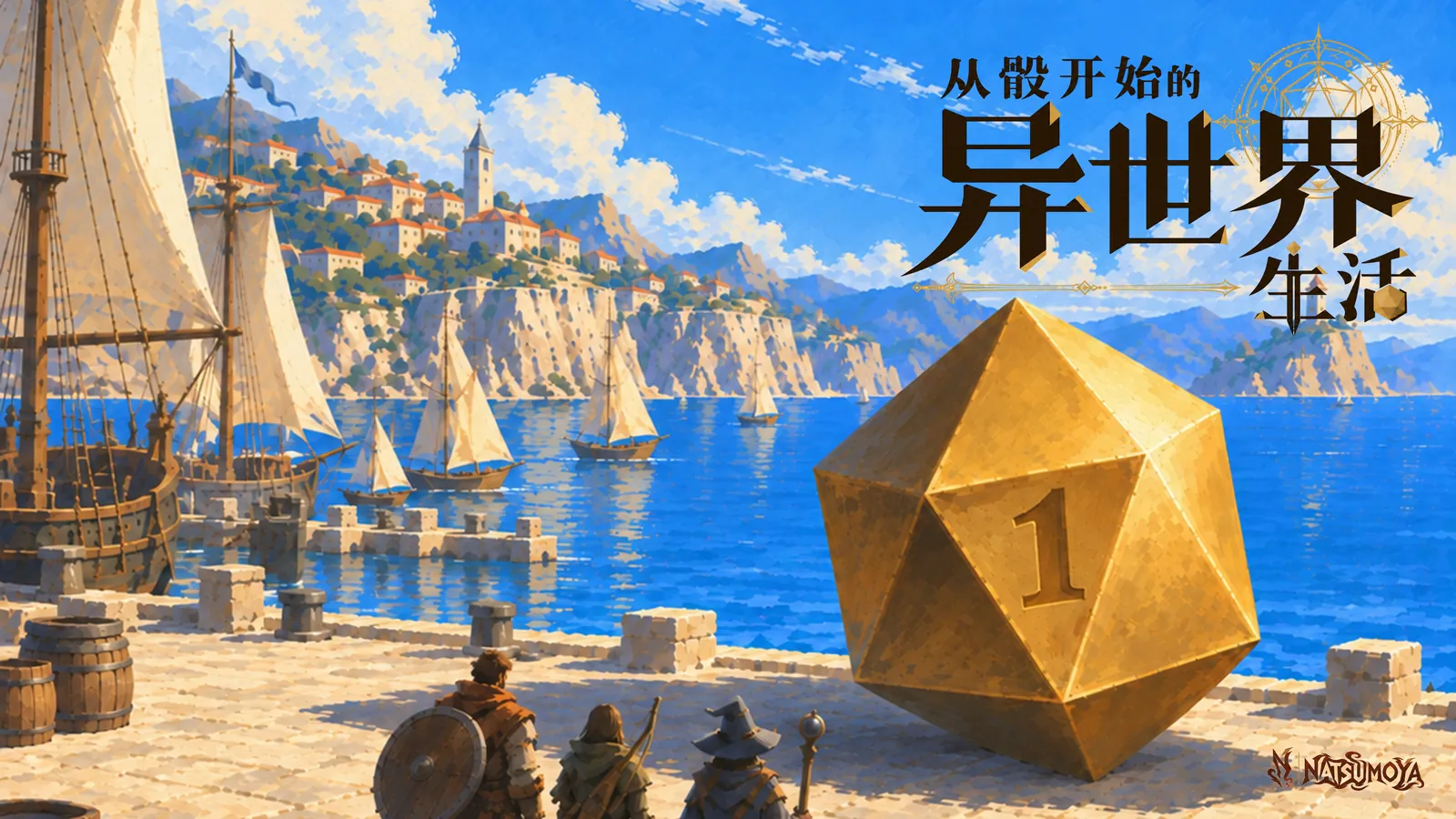
This world is a gift to adventurers in another world: a place to take a first step, prepare for the road and find someone to travel with. The submission is an early playable slice, without quests or finished story content. A React prototype, UE5 code, design docs, town concept art, building models, town layout drawings and a painted texture library existed before the event; the Godot project and all gameplay systems, seven Tripo characters, the buildings' integration into the town, brighter lighting and revised materials, the title screen and how-to-play page, the residents and their lines, music and sound, and Chinese and English switching were added during it. Character and building references were made with Codex image generation, and the cover and title art with ChatGPT.
How Tripo was used
The game's seven characters come from Tripo; the scenery does not.
- Generation: front, side and back references generate each whole character in Tripo.
- Workflow: Tripo handles the models, textures, rigs and basic animations, which are cleaned up in Blender and brought into Godot.
- Speed: all seven went from references to the build in a single day, October 5, 2026.