

01 / OVERVIEW
Quick Answer
After comparing Tripo with GPT-6 Astra, we asked the same question of Claude Opus 5.5: when a frontier general-purpose AI can create 3D through code and tools, how does it compare with a dedicated AI 3D model on the asset itself?
In our matched tests, Tripo P2.0 produced the stronger native 3D assets. Its outputs stayed closer to the reference, showed more coherent mesh and UV structure, and retained richer texture and material detail than the Claude Opus 5.5 results we evaluated.
Tripo was also faster and more cost-efficient for asset generation: each tested textured asset took about 26 seconds and ~$1.20 with Tripo P2.0, compared with 4m 04s–9m 26s and ~$1.40–$2.70 in estimated API-equivalent cost for the recorded Claude Opus 5.5 runs.
Claude Opus 5.5 still adds value elsewhere in the 3D workflow. It can use code and 3D tools to refine assets, automate operations and assemble scenes. A practical combined workflow is therefore Tripo for native 3D asset generation, then Claude Opus 5.5 for code-driven refinement and scene integration.
Tripo P2.0 vs GPT-6 Astra: Assets & Scenes02 / OVERVIEW
What We Tested
We used the same reference inputs to compare Tripo P2.0 and Claude Opus 5.5 on native 3D asset generation—the actual geometry, topology, UV layout and textured result rather than only the final rendered image.
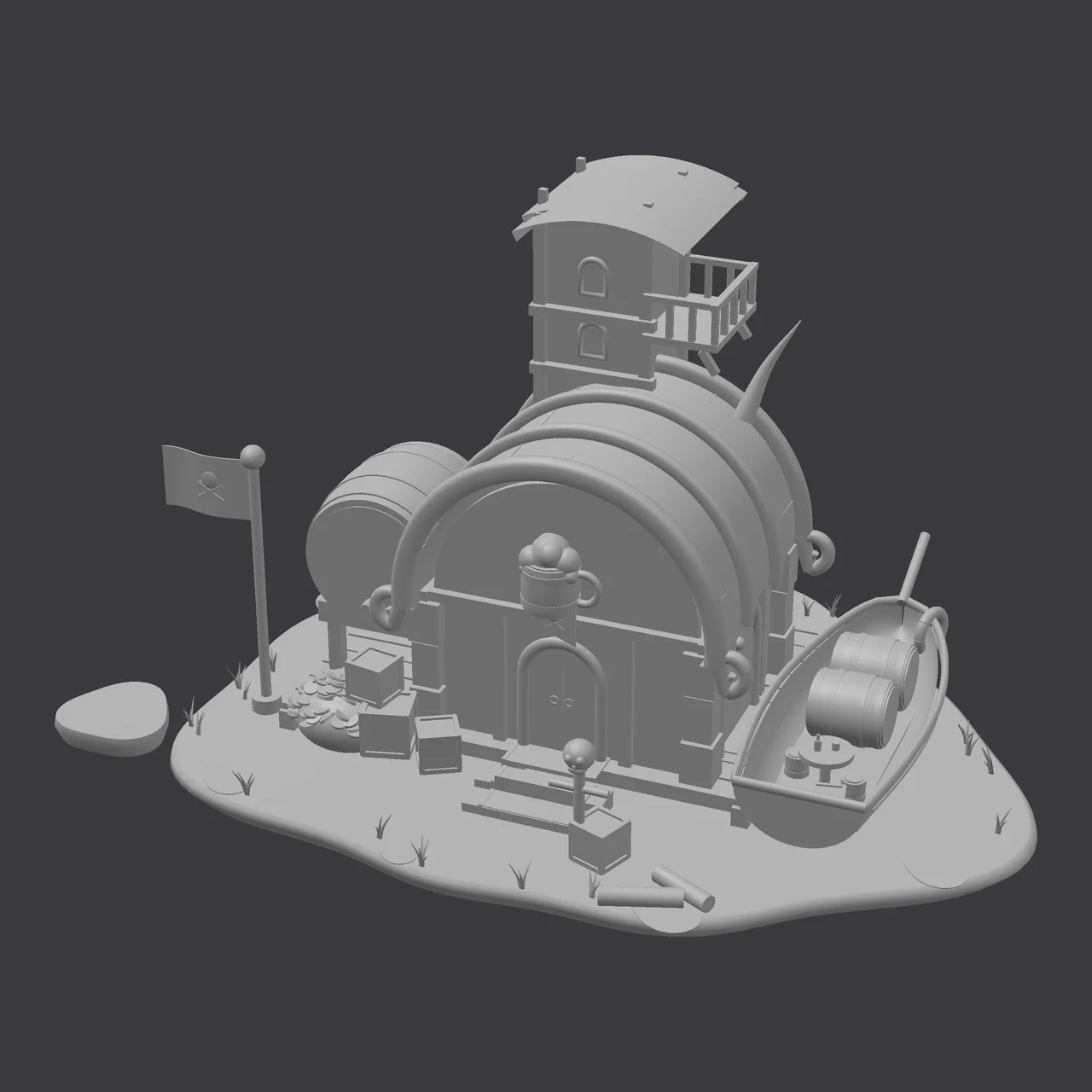
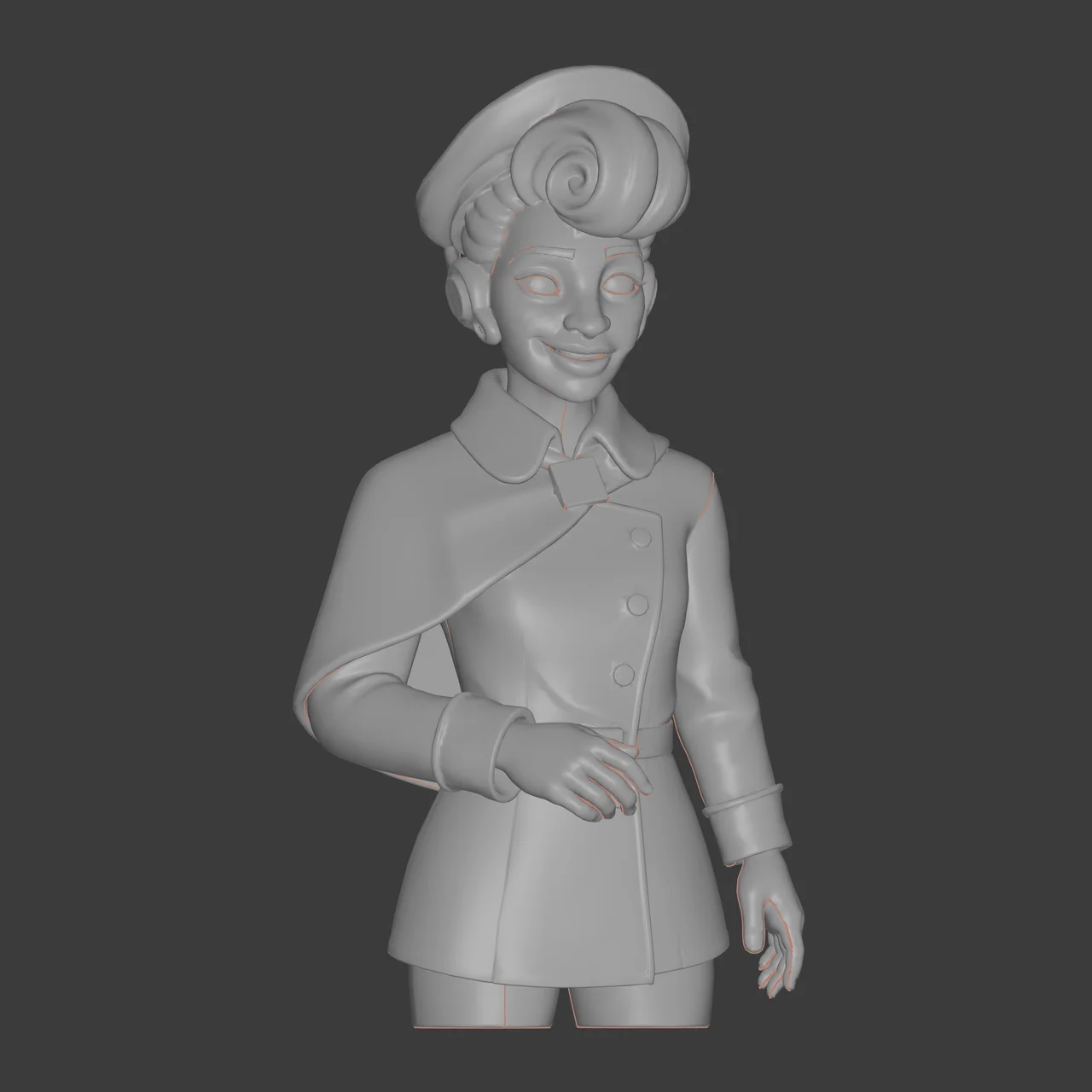
The matched examples include a ram, a stylized pirate tavern and a stylized character. We compared reference fidelity, mesh structure, UV layout, textures and materials, and separately recorded generation time and estimated cost.
03 / OVERVIEW
Tripo P2.0 vs Claude Opus 5.5 at a Glance
| What Matters | Tripo P2.0 | Claude Opus 5.5 |
|---|---|---|
| Native 3D generation | Dedicated 3D generation + texturing | Relies on code in the modelling software with MCP |
| Reference fidelity | Closer shape, proportions and part layout | Limited — more anatomy, layout or likeness drift in tested assets |
| Mesh & topology | More coherent shape-following mesh | Limited — dense triangulation over simpler forms |
| UV layout | More recognizable surface regions | Limited — more fragmented shells and narrow strips |
| Textures & materials | Richer reference detail | Limited — adds surface finish, but geometry gaps remain |
| Speed & cost | 26 sec · ~$1.20 per tested textured asset | 4m 04s–9m 26s · ~$1.40–$2.70 estimated API-equivalent |
| Best fit | Native 3D asset creation | Code, tool use and scene integration |
The table above gives the short answer. The sections below follow the same comparison dimensions, using the ram, tavern and stylized-character tests to show where the differences appear in the actual 3D assets.
04 / OVERVIEW
What the Differences Mean in Practice
Native 3D Generation: A Stronger Starting Asset
Tripo P2.0 is designed specifically to generate native 3D assets, while Claude Opus 5.5 reached the tested results through agent reasoning and Python tooling.
Both approaches produce editable 3D geometry, but editability alone does not mean the asset is equally useful. Across the tested ram, tavern and character, Tripo P2.0 started closer to the intended form and required less fundamental reconstruction before further refinement.
Reference Fidelity: Tripo Stays Closer to the Input
Tripo P2.0 preserved the reference shape, proportions and part relationships more consistently across the three tested assets.
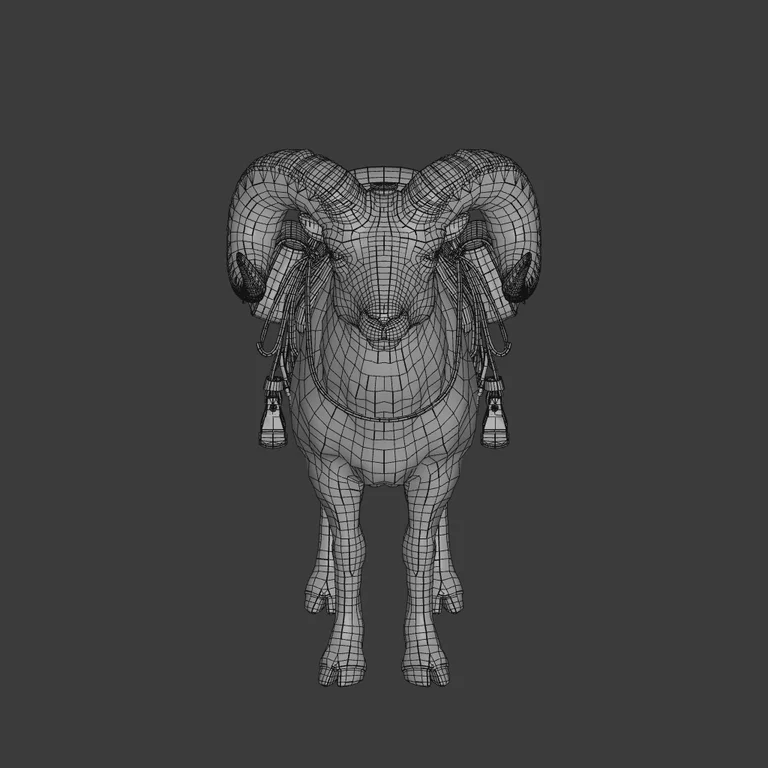
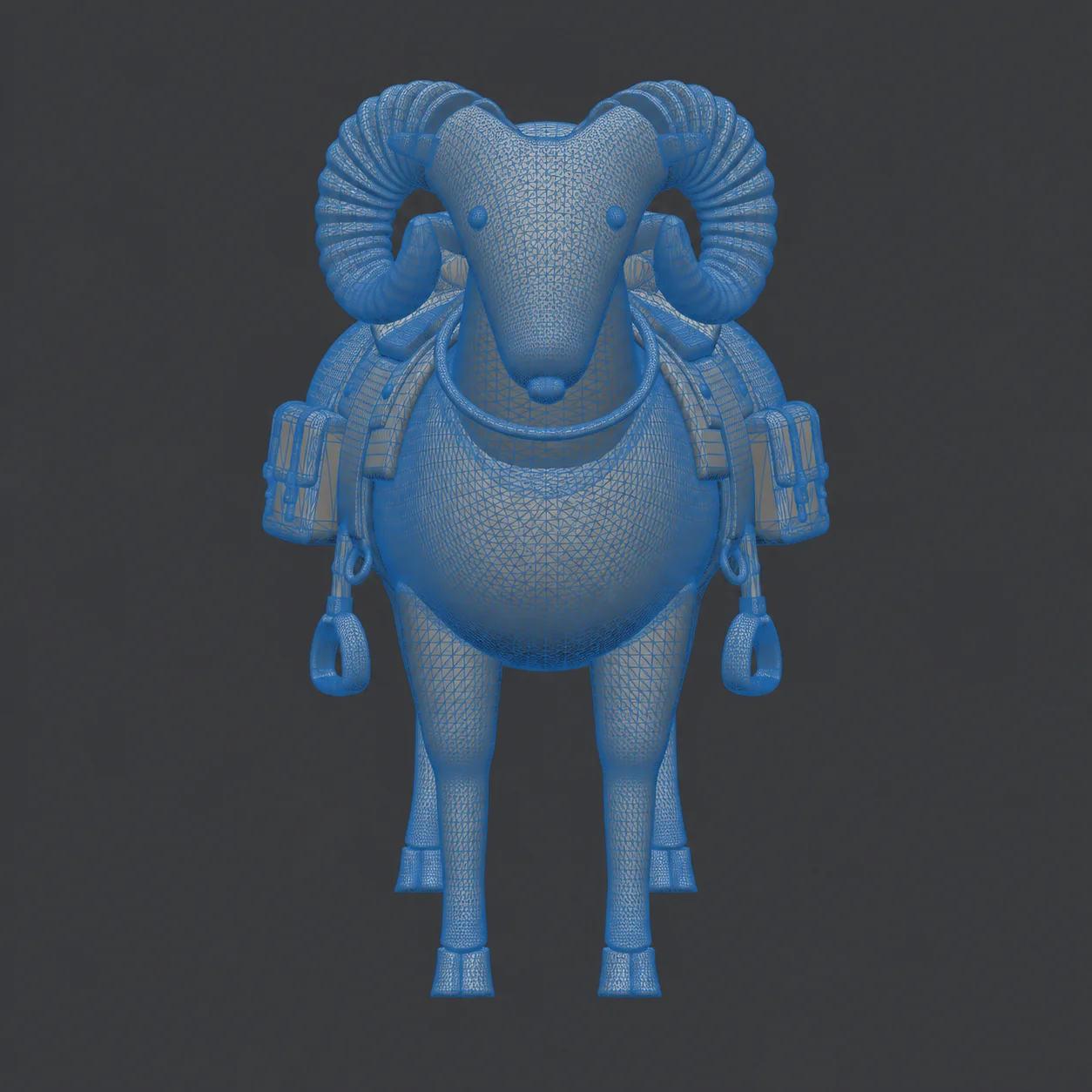
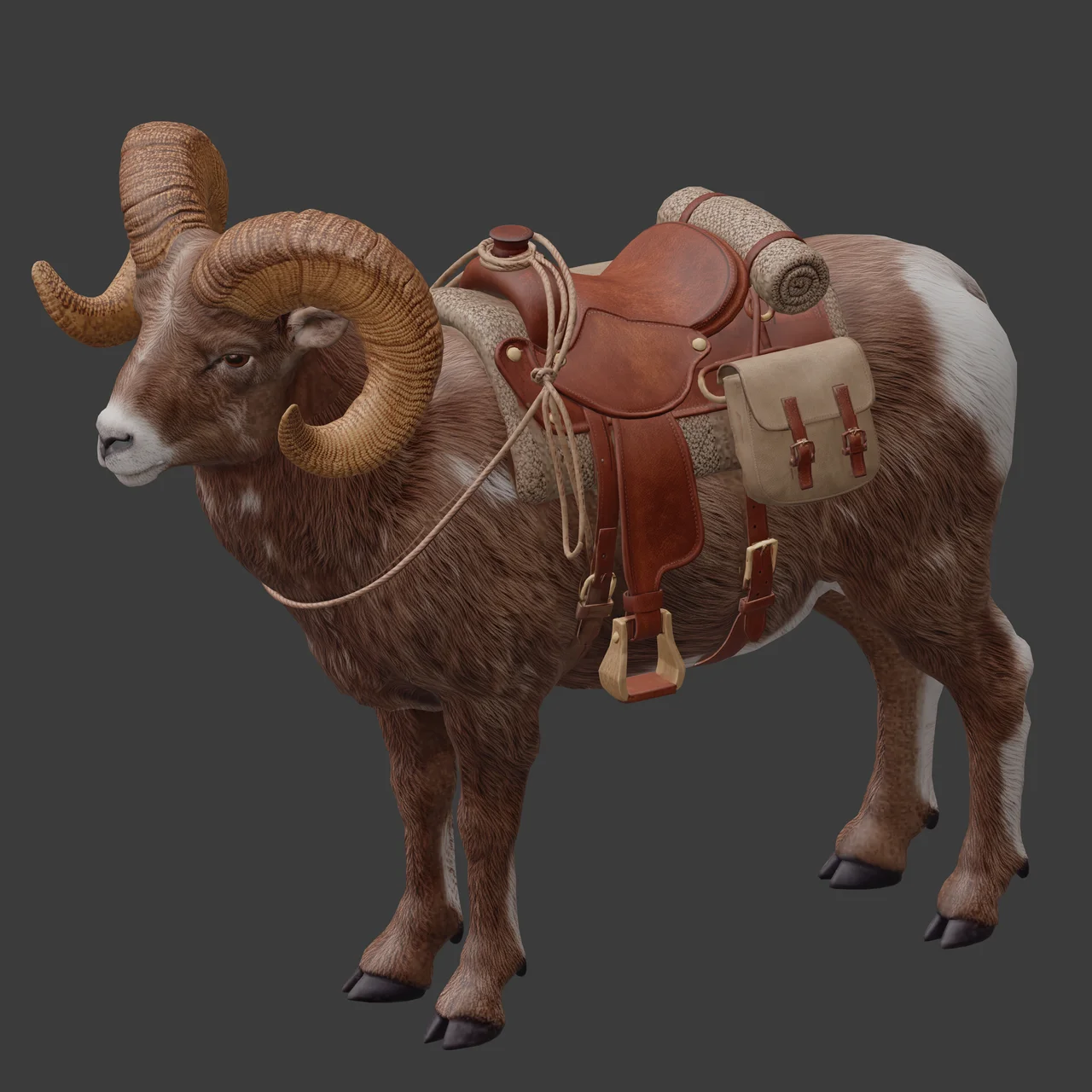
In the ram case, Tripo kept the heavier chest, muzzle and leg proportions closer to the reference, while the Claude Opus 5.5 result became smoother and lighter in build.
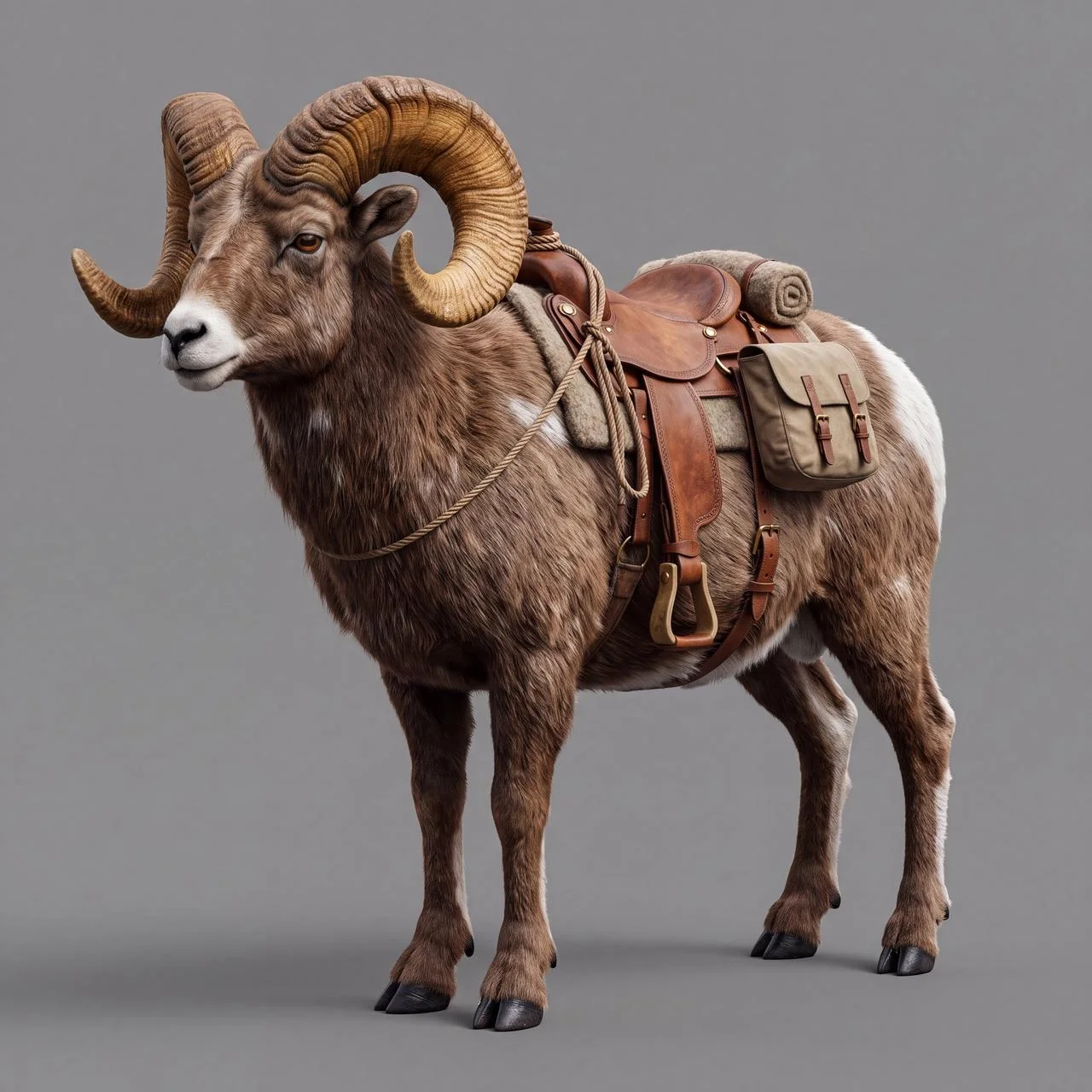
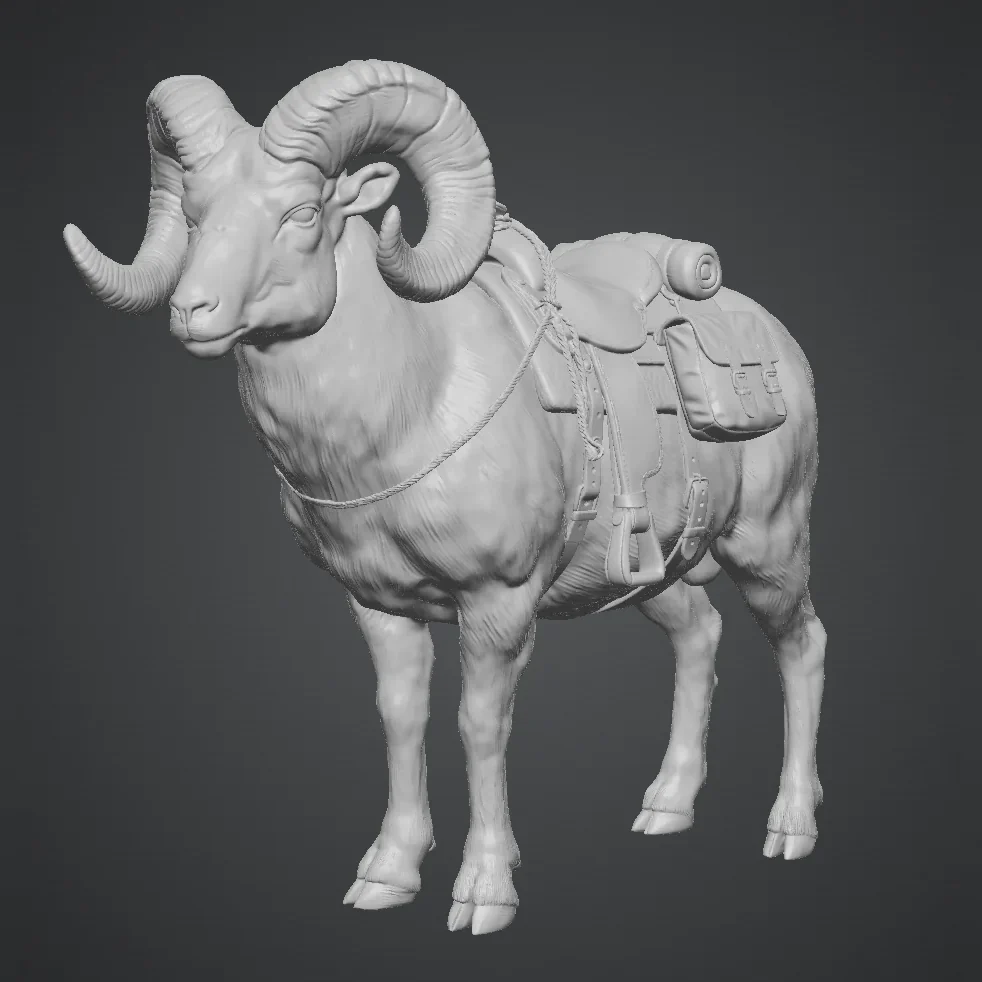
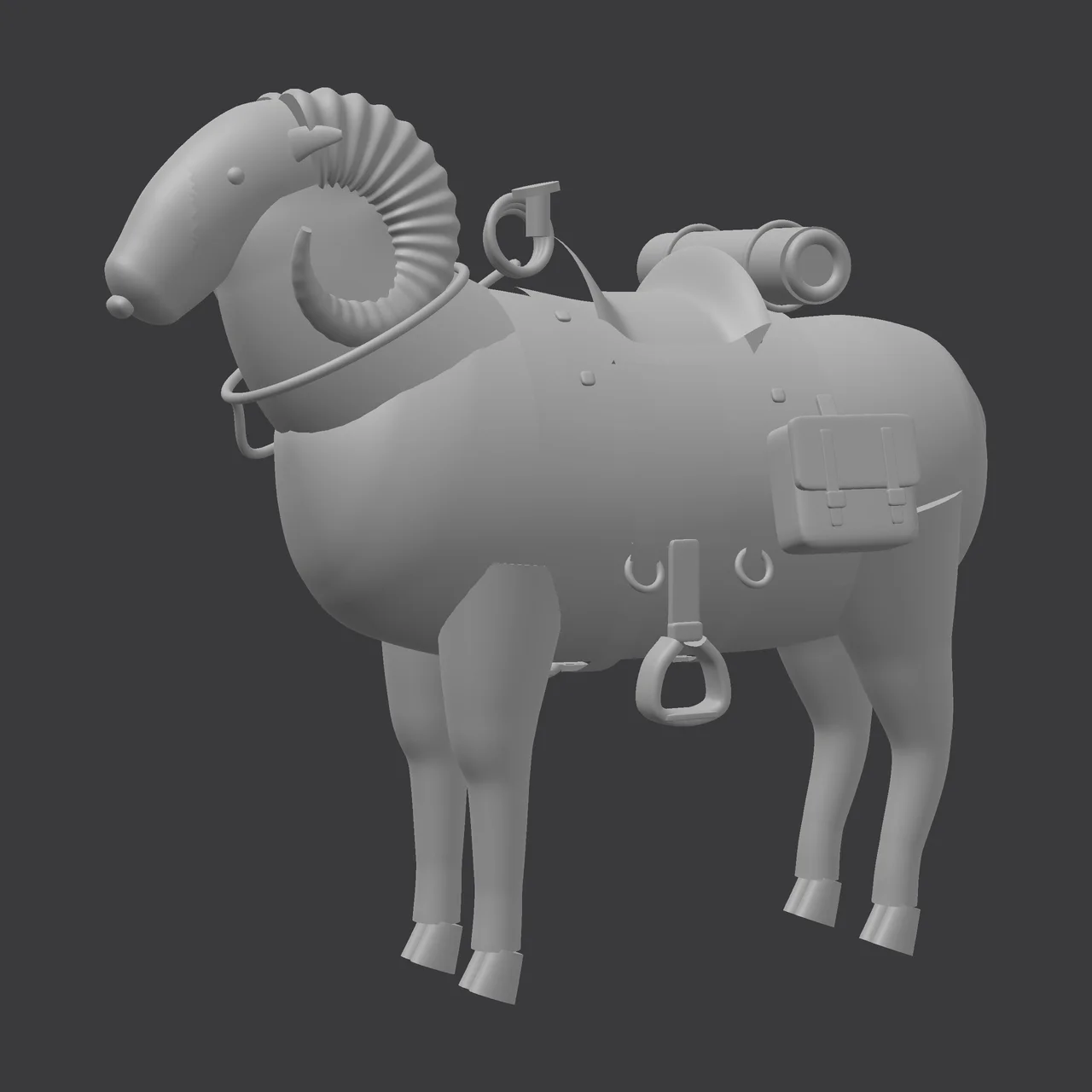
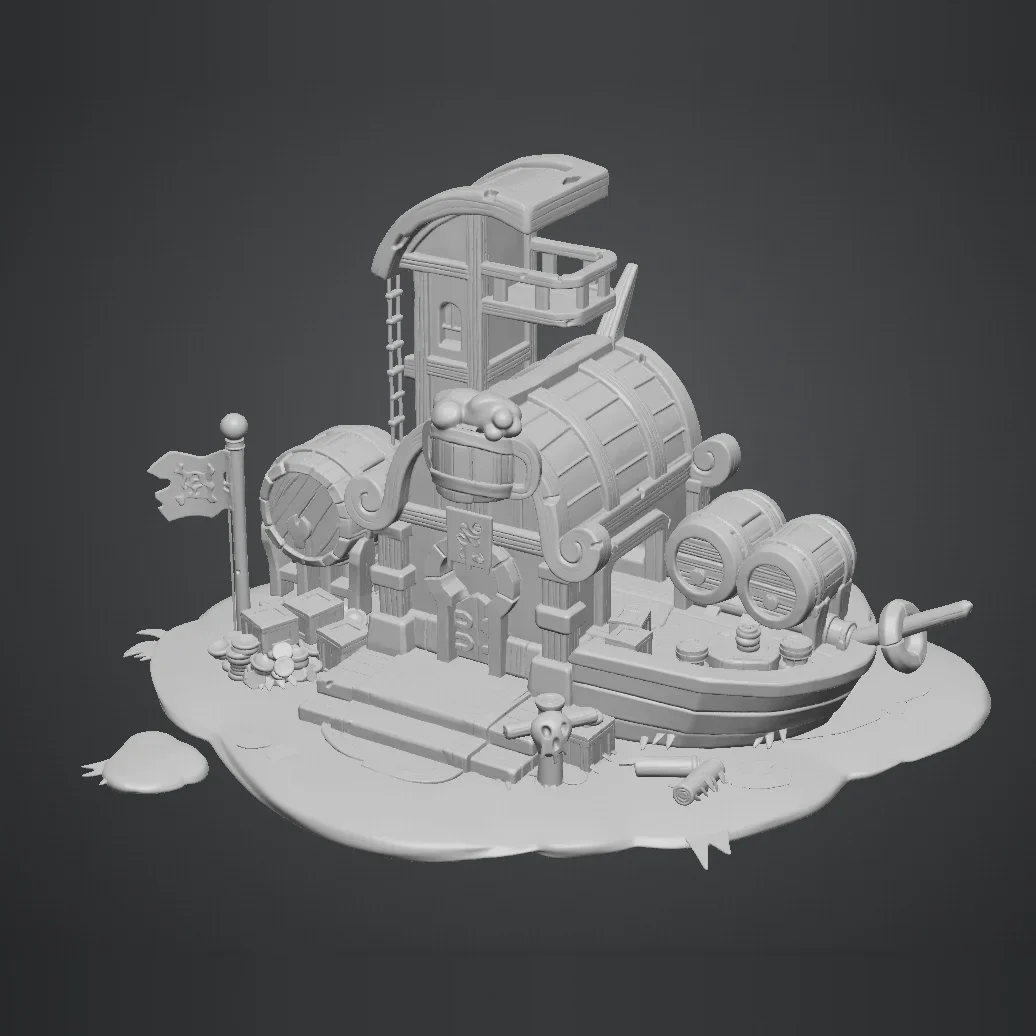
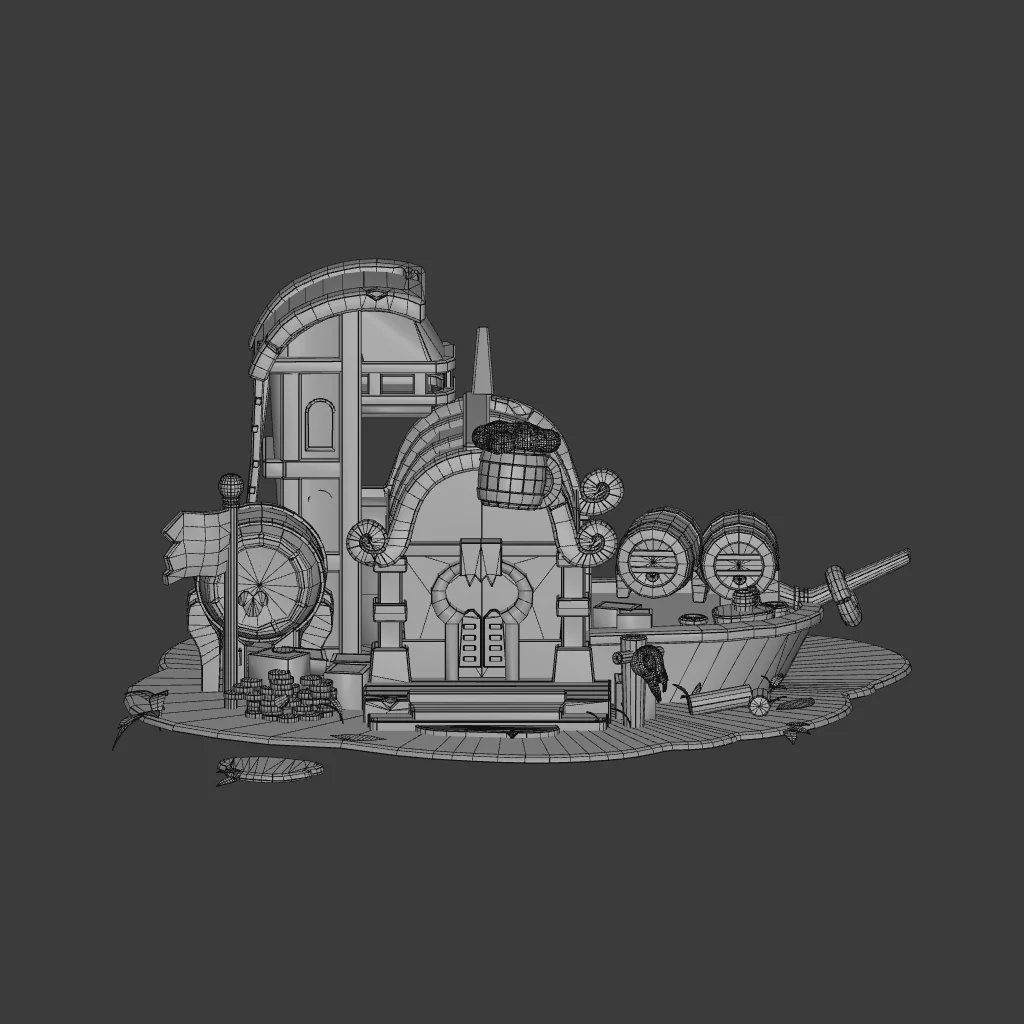
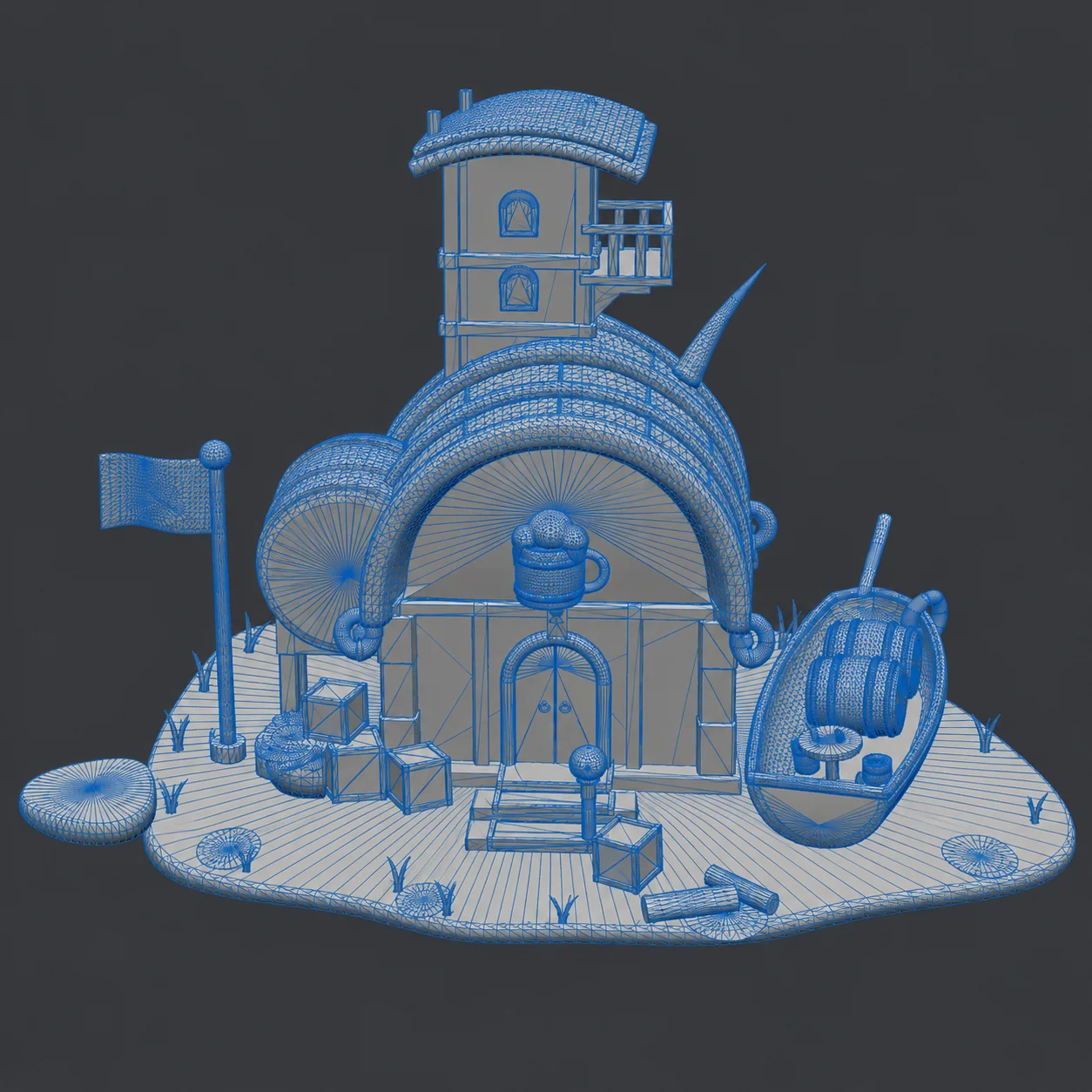
In the pirate tavern case, Tripo kept the entrance, curved trim, barrels and boat closer to the original compact arrangement. The Claude Opus 5.5 result remained recognizable, but the building became deeper and more regular, while the boat and roof elements shifted in scale and attachment.

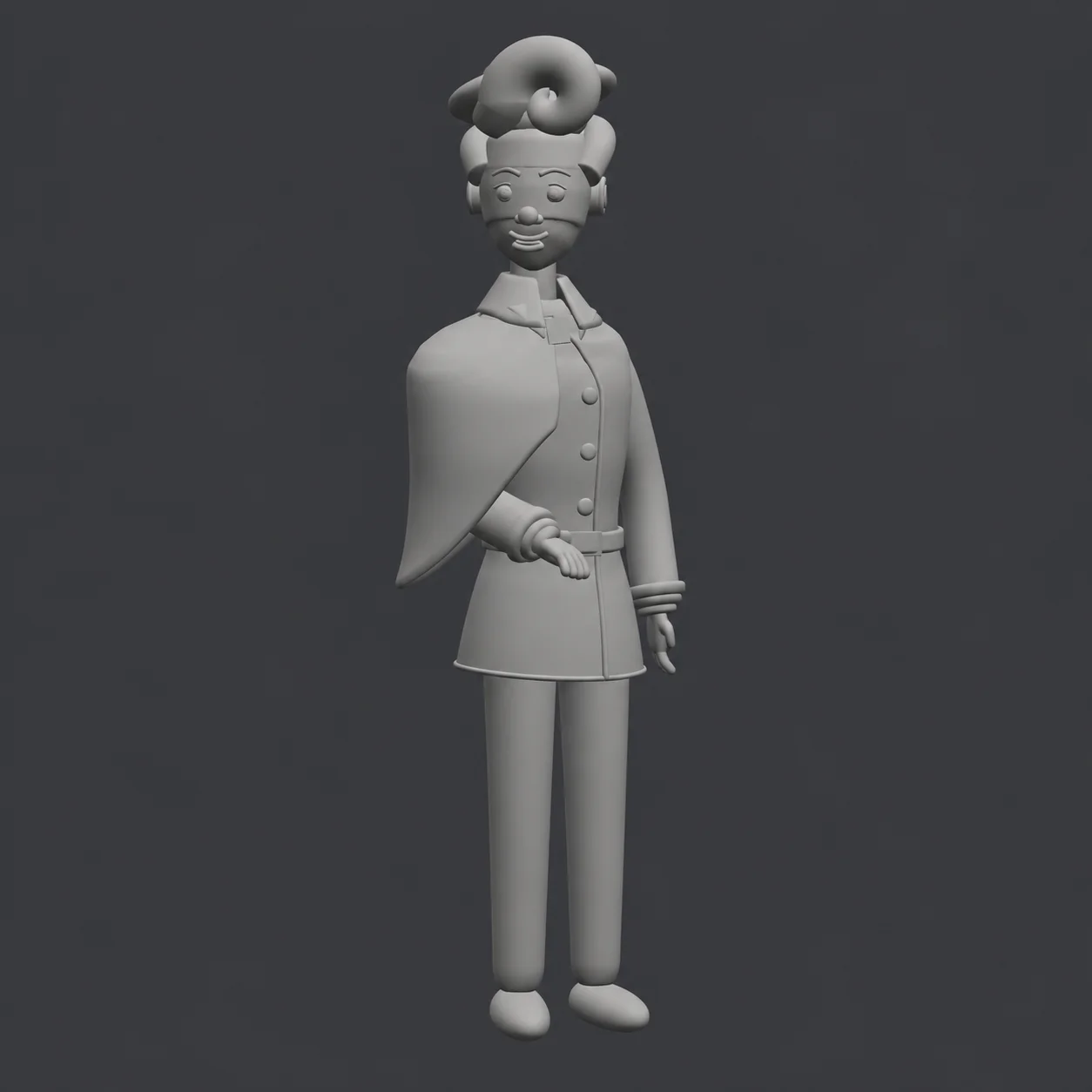
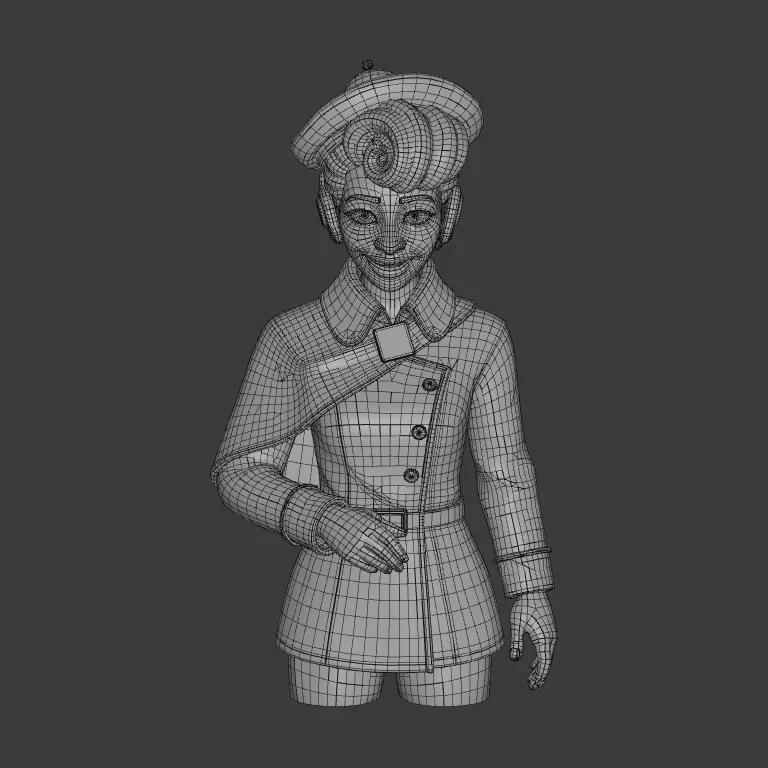
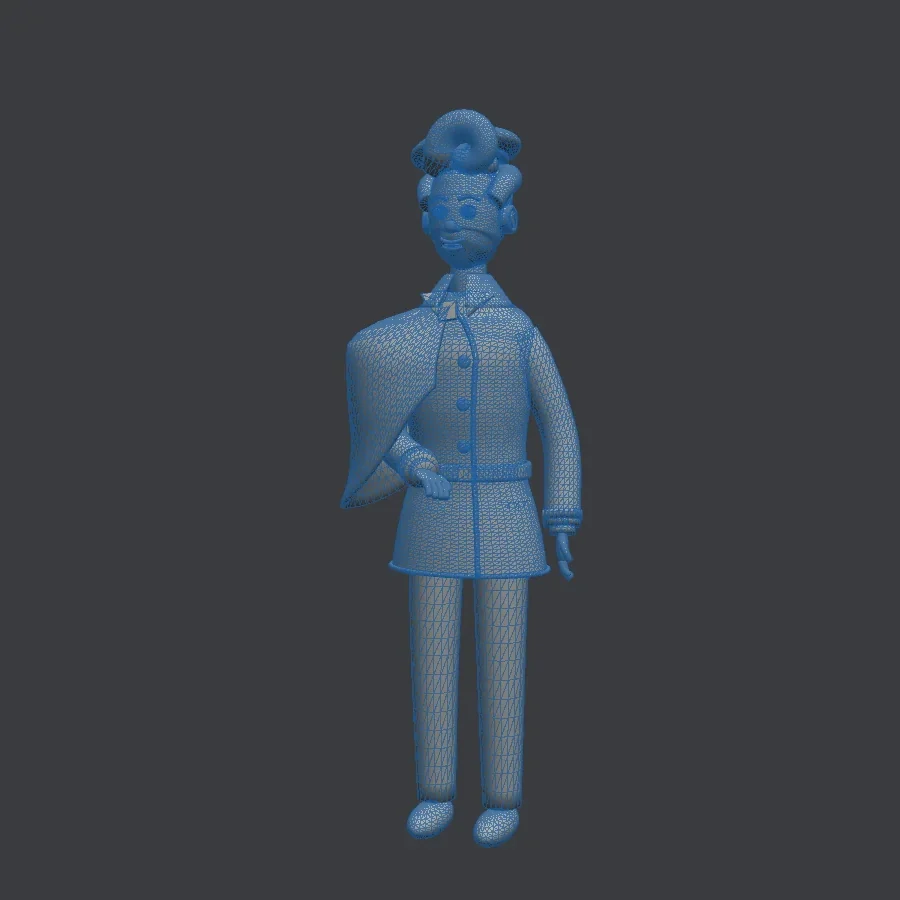
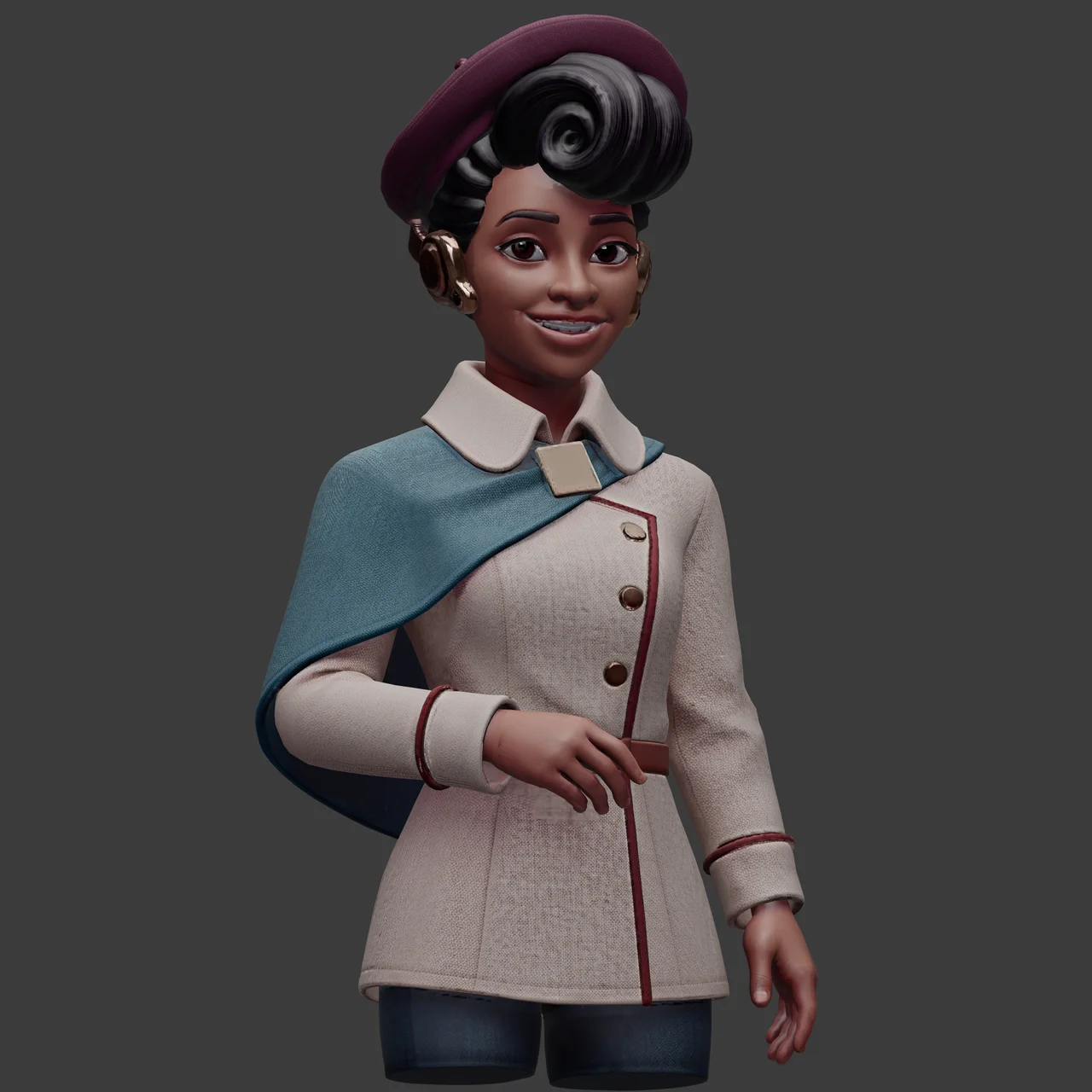
In the stylized character case, Tripo retained more of the original facial expression, hair curl, cape and bent-arm structure. The Claude Opus 5.5 version changed the face more substantially and generated a full lower body even though the supplied reference only showed the upper body.

Mesh & Topology: More Coherent Geometry in Tripo
The wireframes show that Tripo P2.0 not only stays closer to the reference—it also distributes geometry more coherently around the form.
In the ram case, Tripo’s wireframe follows the face and body contours, while the Claude Opus 5.5 result uses dense triangulation over a much simpler torso and head.
The tavern wireframes show the same difference at an object level: Tripo keeps the roof, tower and surrounding props closer to their intended structure, while the Claude Opus 5.5 result changes several connections and proportions.
On the stylized character, Tripo’s facial edge flow follows the eyes and mouth more clearly. The denser Claude Opus 5.5 mesh does not recover the same facial structure.
UV Layout: Easier-to-Read Surface Regions
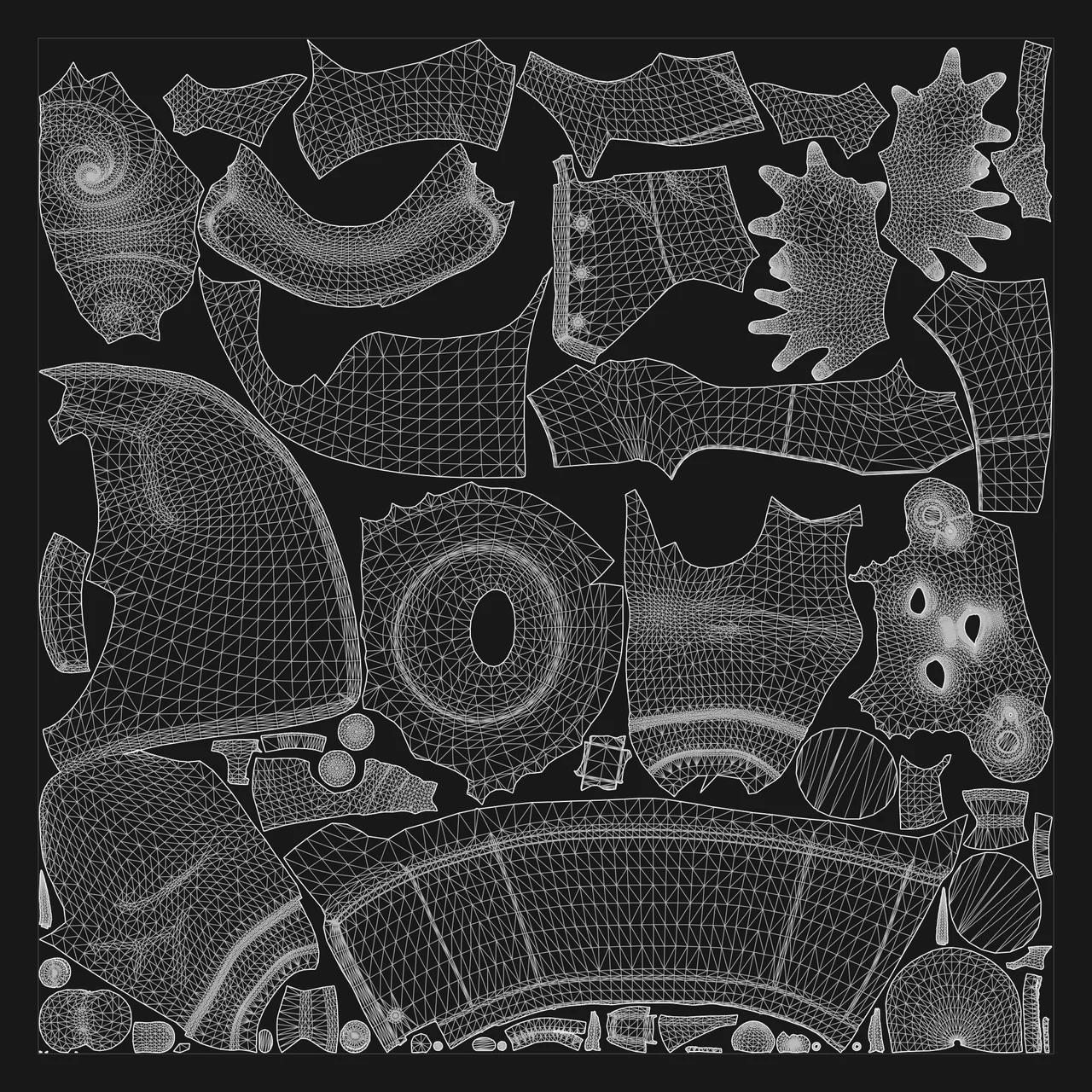
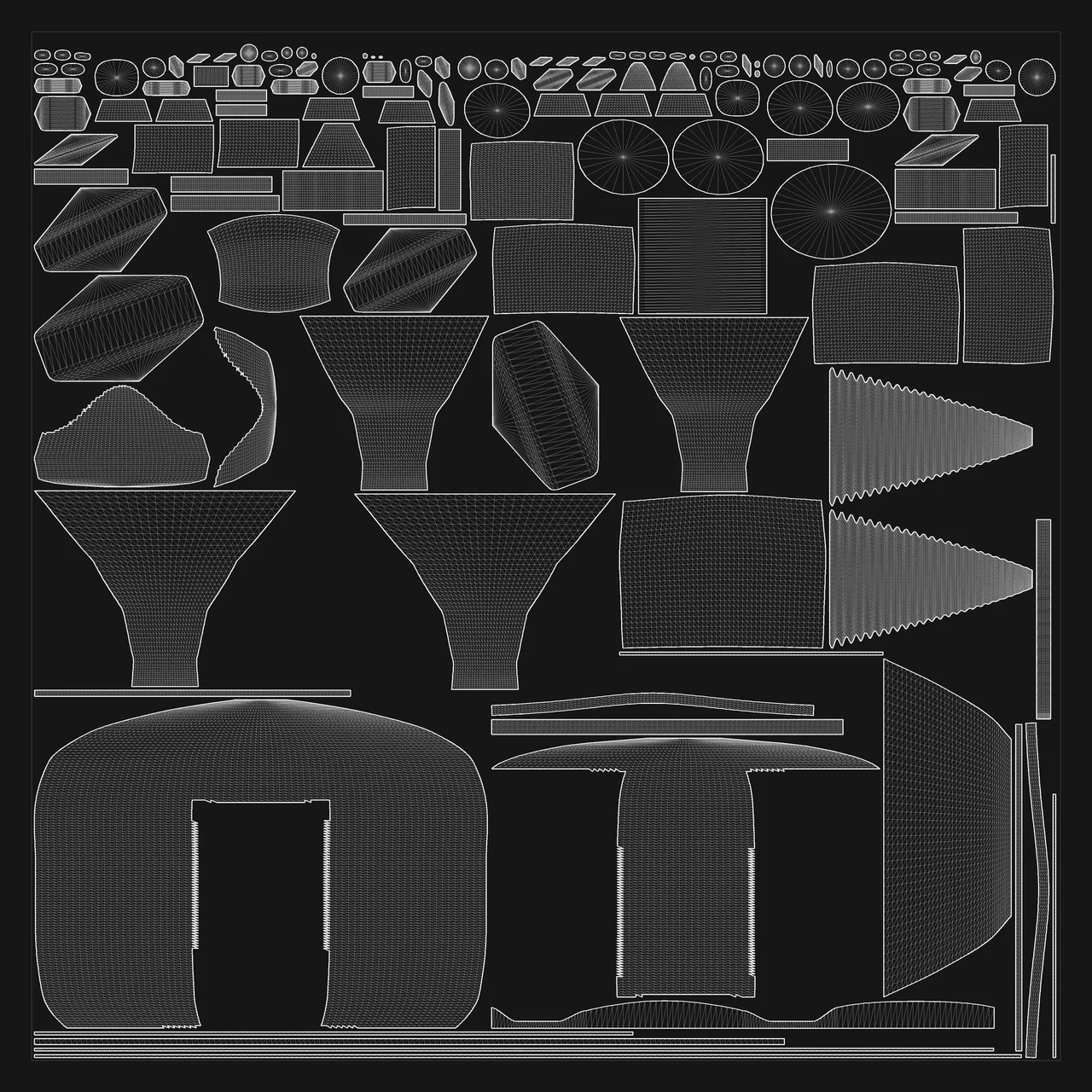
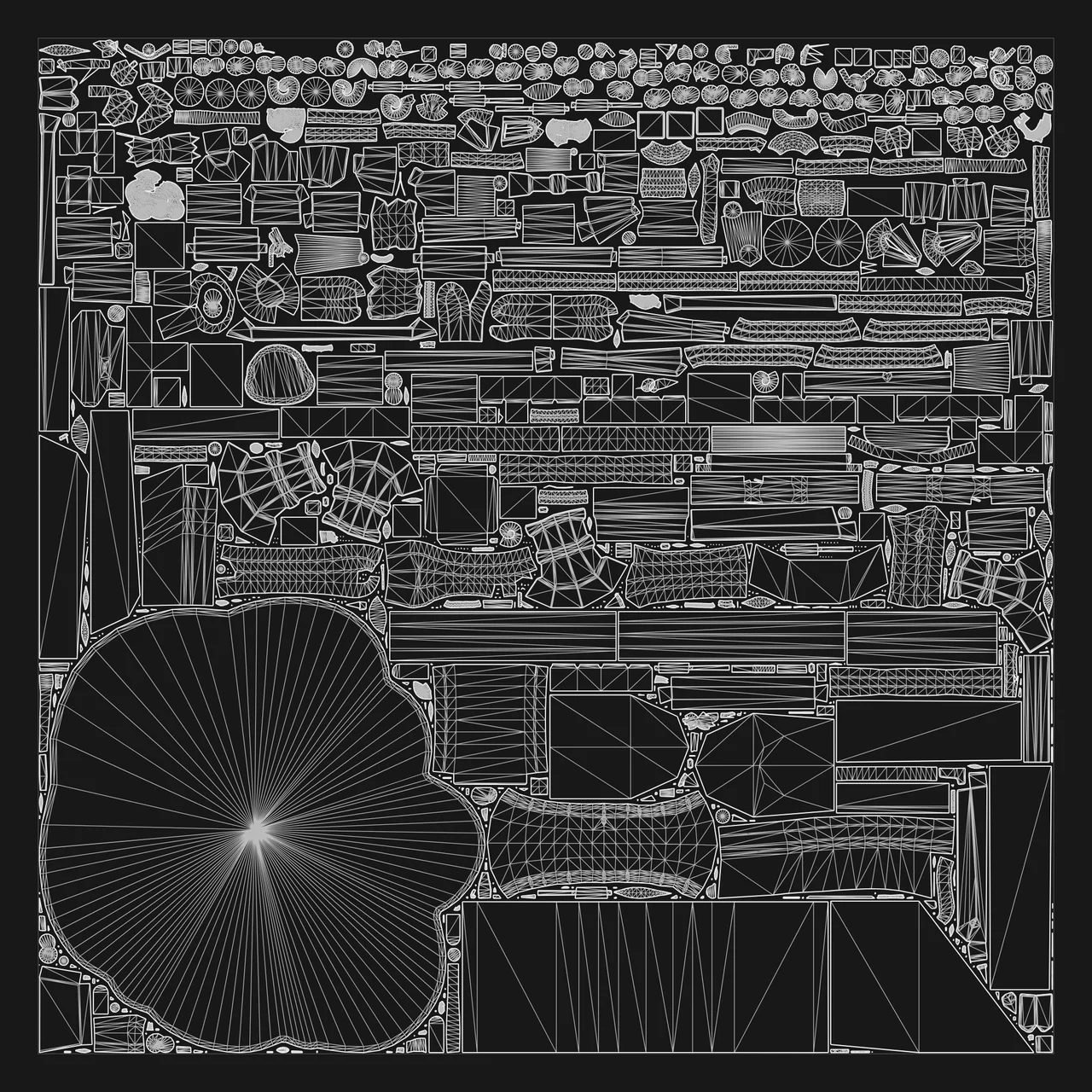
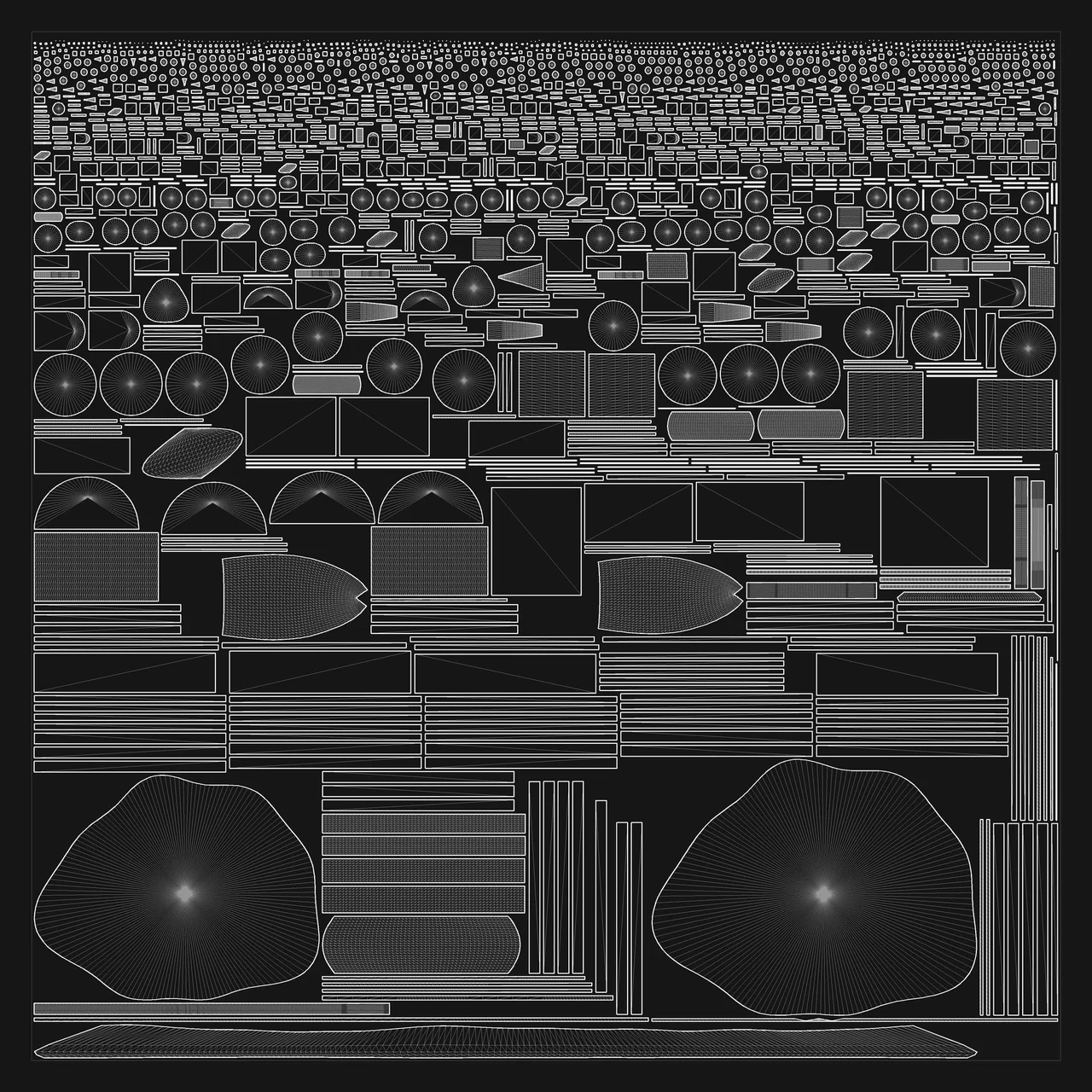
Tripo P2.0 produced UV layouts that were easier to relate back to the actual asset in the tested examples.
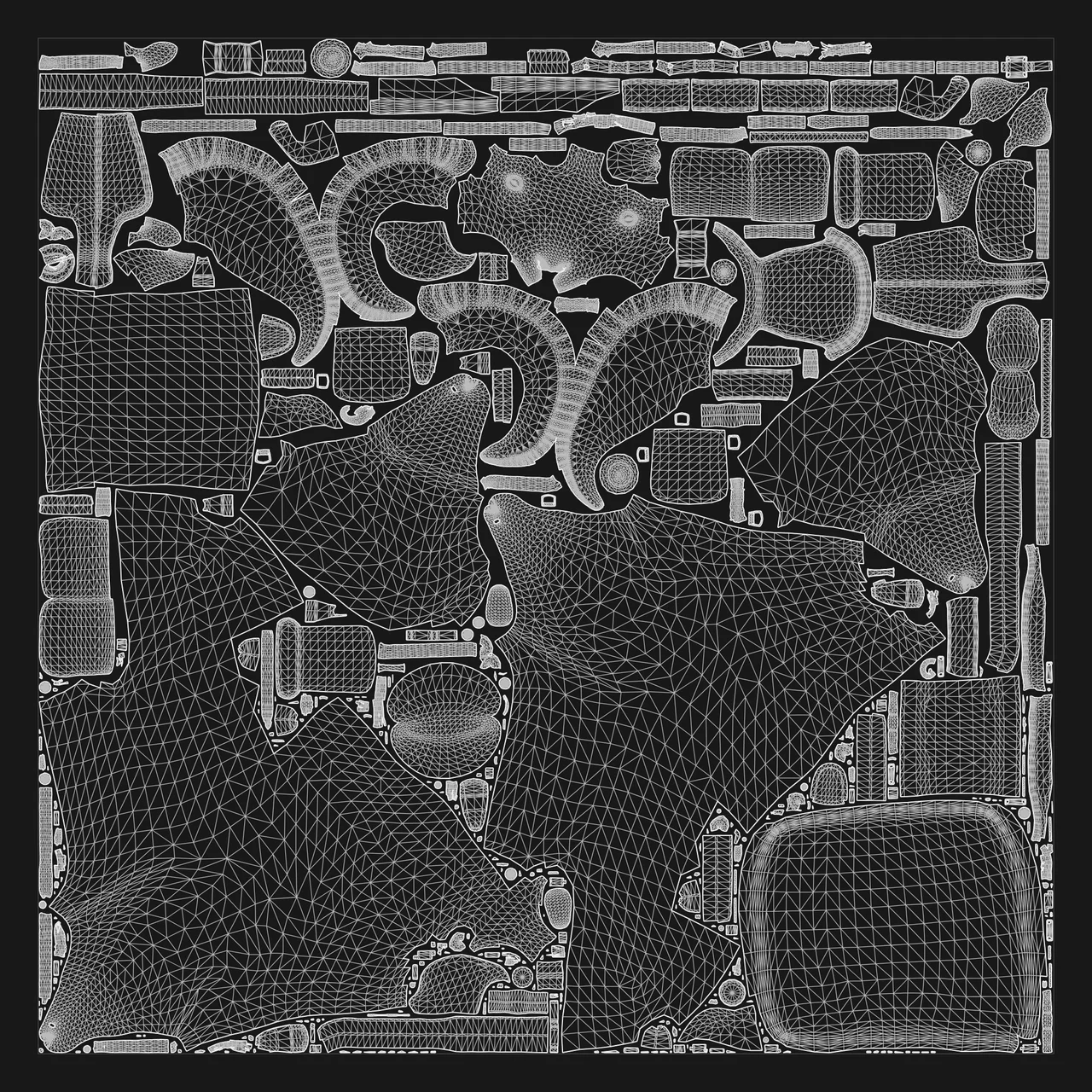
On the stylized character, the face, hands and clothing remain recognizable as larger UV regions, making local texture edits easier to understand. The Claude Opus 5.5 atlas contains more repeated shells, discs and narrow strips that reflect the more segmented geometry.
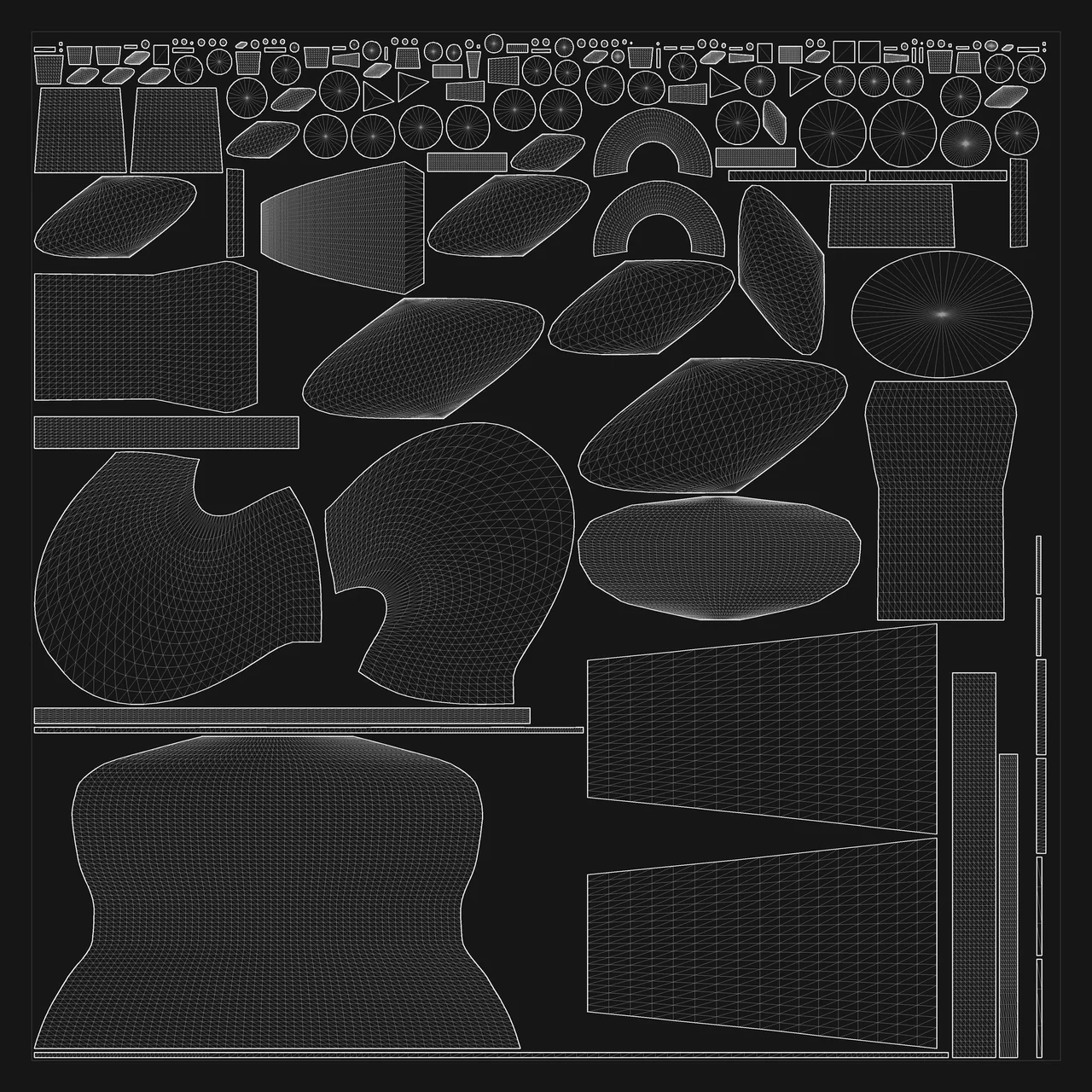
The ram and tavern tests showed the same overall pattern: Tripo kept more recognizable model regions together, giving creators a clearer starting point for local painting or rebaking.
Textures & Materials: Surface Detail Works Better on Stronger Geometry
Tripo P2.0 retained more of the reference’s visible texture and material detail, while the Claude Opus 5.5 textures improved appearance without correcting the underlying shape differences.
On the ram, both results add fur and equipment detail, but Tripo’s texturing sits on anatomy that remains closer to the original reference.
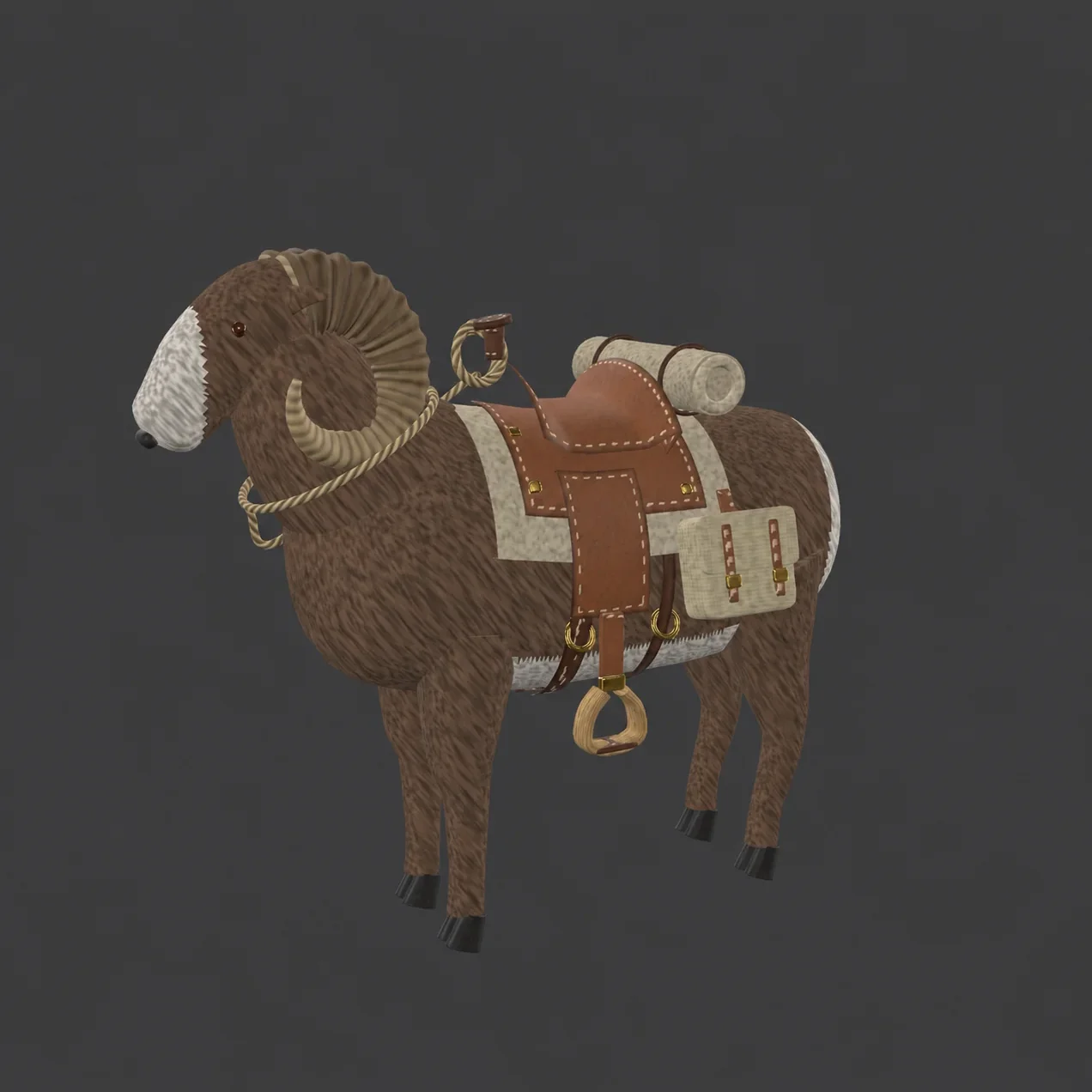
On the tavern, both models gain visible wood, roof and ground detail. Tripo combines that surface detail with the more faithful entrance, barrels, roof and boat structure.


On the stylized character, Tripo preserves more fabric weave, hair detail and facial variation. Claude Opus 5.5 adds surface finish, but recovering the original expression and clothing volume would still require geometry changes.
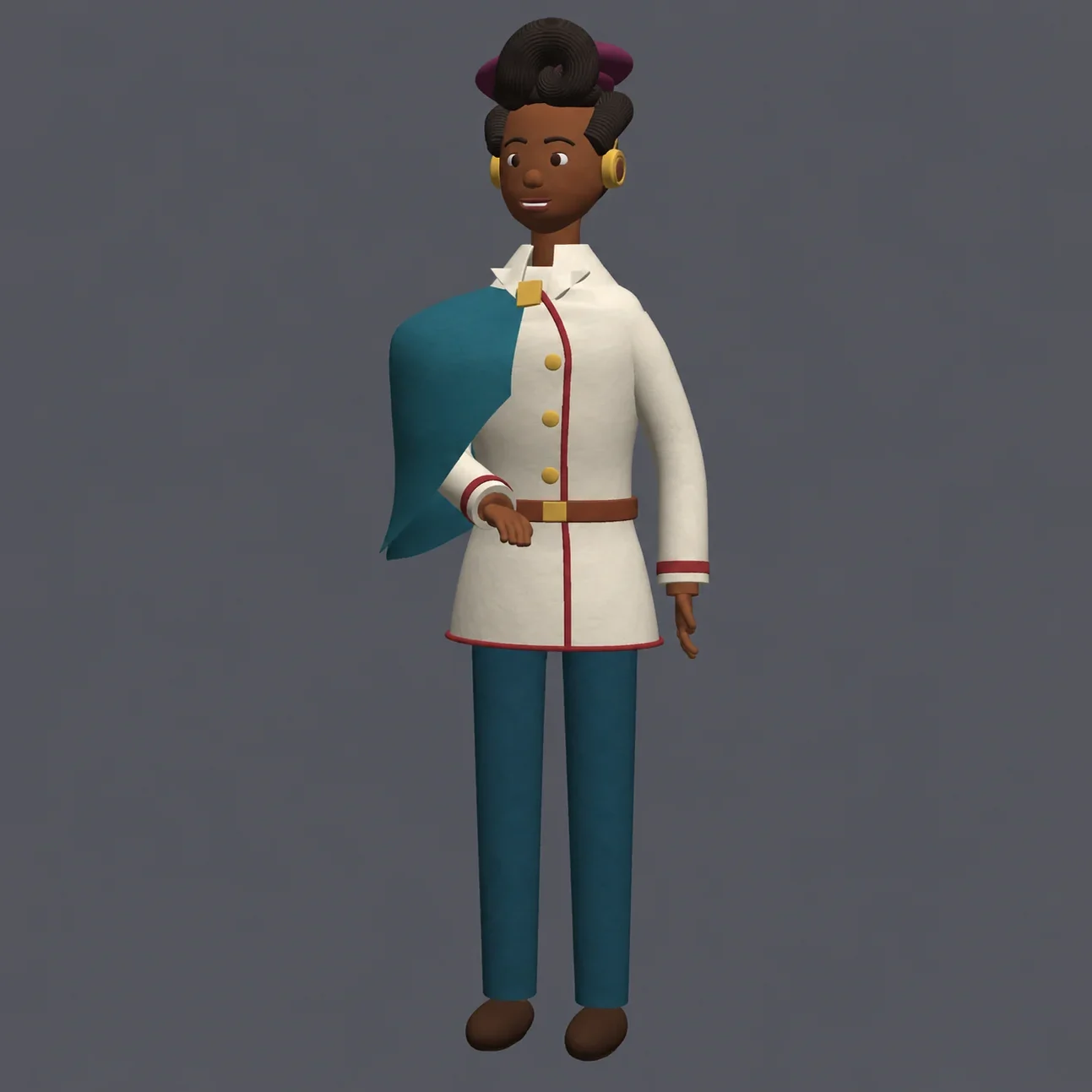
Better texturing cannot fully compensate for geometry that has already drifted from the reference.
05 / OVERVIEW
Why Tripo Is Faster and More Cost-Efficient for 3D Asset Generation
Tripo P2.0 was substantially faster in the recorded asset-generation tests and also had the lower estimated per-asset cost.
| Metric | Tripo P2.0 | Claude Opus 5.5 |
|---|---|---|
| Generation time | 26 sec | 4m 04s–9m 26s |
| Estimated cost | ~$1.20 | ~$1.40–$2.70 API-equivalent |
| Approach | Dedicated 3D generation + texturing | Agent reasoning + Python tooling |
For repeated native 3D asset generation, the dedicated Tripo pipeline avoids the longer reasoning-and-tool loop recorded in the Claude Opus 5.5 runs. The Claude Opus 5.5 figures are API-equivalent estimates rather than direct Claude subscription charges, so they should be read as test-session estimates rather than universal pricing.
06 / OVERVIEW
Where Claude Opus 5.5 Adds More Value
Claude Opus 5.5 becomes more useful when the task moves beyond generating the individual asset and into code-driven 3D work.
It can use code and tools to automate Blender operations, adjust existing assets, assemble scenes, control placement and lighting, and add interactive behavior.
That makes the two tools complementary: Tripo P2.0 provides the stronger native 3D asset in our tests, while Claude Opus 5.5 can help integrate and refine those assets inside a broader 3D project.
Tripo + Claude Opus 5.5 in Practice
A user project by Kujirachan shows one way Tripo P2.0 and Claude Opus 5.5 can complement each other in a real 3D workflow.


Claude Opus 5.5 was used to code the initial room in Three.js, while Tripo P2.0 supplied the furniture and props. Claude Opus 5.5 then adjusted the scale and placement of those assets around shelves, tables and the stage, and added shader effects for glass, liquid, flames and jellyfish.
A follow-up workflow also shows Claude Opus 5.5 operating Blender to repaint and bake textures on a Tripo character, correct UV-related artifacts and better align painted hair strands with the model.
The wider project also uses Astra for reference images and some model adjustments, and Godot for the live streaming scene. The example should therefore be read as one user-created multi-tool workflow, rather than an independent benchmark of Tripo and Claude alone.
Kujirachan’s post on XA Practical Tripo + Claude Opus 5.5 Workflow
The streaming-room project illustrates a workflow that can be reused when a scene needs both custom assets and code-driven assembly:
- Block out the scene with Claude Opus 5.5: use temporary objects to establish layout, camera and lighting.
- Generate the native 3D assets with Tripo: create each character, furniture item or prop from its own reference.
- Fit the Tripo assets into the scene with Claude Opus 5.5: adjust scale, orientation and placement using code and 3D tools.
- Add effects and refine where needed: use Opus for scene logic, effects or tool automation, while returning to Tripo or the DCC workflow when an asset itself needs further work.
The practical division is simple: use Tripo to create the asset, then use Claude Opus 5.5 to help place, automate and build around it.
07 / OVERVIEW
Tripo P2.0, Claude Opus 5.5, or Both?
Choose Tripo P2.0 when the 3D asset itself is the priority—especially when reference fidelity, geometry, UV structure, texture detail, speed and predictable generation cost matter.
Choose Claude Opus 5.5 when the main task is coding, tool automation, scene assembly or modifying existing assets through 3D software.
Use both when you need high-quality custom 3D assets inside a coded, interactive or tool-driven scene.
08 / OVERVIEW
Frequently Asked Questions
Is Tripo P2.0 better than Claude Opus 5.5 for generating 3D models?
In our tested image-to-3D tasks, Tripo P2.0 produced the stronger native 3D assets. Its outputs stayed closer to the reference, with more coherent geometry and UV layouts and richer surface detail.
Claude Opus 5.5 can also generate editable geometry through code and tools, but the tested outputs required more structural correction before further asset refinement.
Which follows a reference image better?
Tripo P2.0 stayed closer to the reference across the tested ram, tavern and stylized character.
The differences included body proportions and anatomy on the ram, part placement on the tavern, and facial likeness and clothing structure on the character.
Which is faster and cheaper for 3D asset generation?
Tripo P2.0 was both faster and lower-cost in the recorded tests.
Tripo took about 26 seconds and ~$1.20 per textured asset, compared with 4m 04s–9m 26s and ~$1.40–$2.70 in estimated API-equivalent cost for Claude Opus 5.5.
The Claude Opus 5.5 figures are test-session estimates rather than direct subscription charges.
Which gives me a better starting point for further 3D editing?
Tripo P2.0 provided the stronger starting asset in our tests. Its meshes stayed closer to the intended shape, and its UV layouts kept important surface regions such as the face, hands and clothing easier to recognize and edit.
Claude Opus 5.5 produced editable outputs, but some tested assets needed larger geometry corrections before local refinement.
When should I use Tripo and Claude Opus 5.5 together?
Use both when you need custom 3D assets inside a coded or interactive scene.
A practical workflow is: Tripo P2.0 generates the native 3D assets → Claude Opus 5.5 uses code and 3D tools to place, refine and build functionality around them.