Description
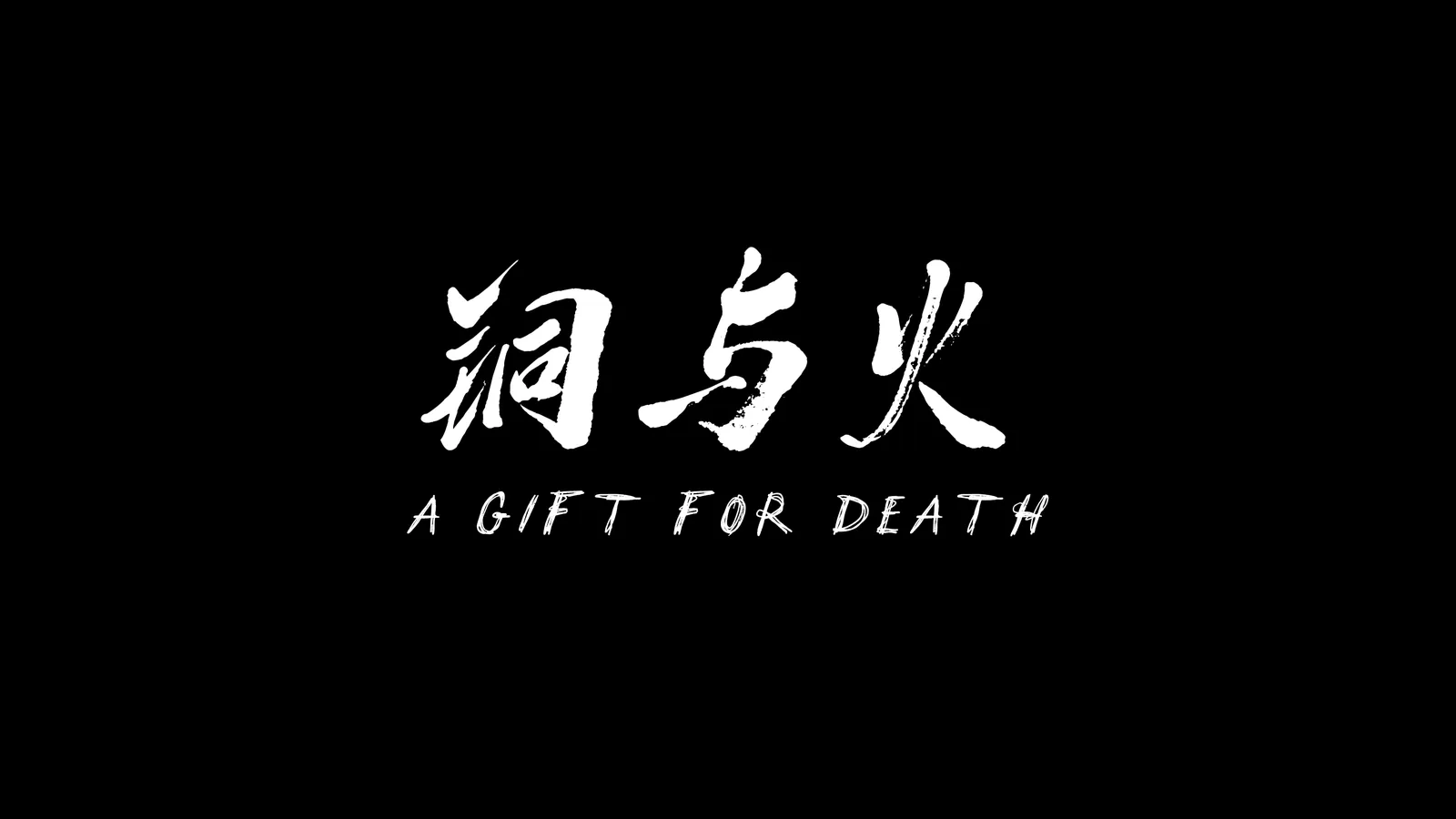
Copper and Fire (A Gift for Death) is set in 1880, in Steam Nánmíng. The Copper Vein Society, a band of madmen who turn flesh into copper, builds furnaces underground that transform people into half-copper, half-human monsters. The Zhenxie Bureau resists from the shadows, the only force standing in their way.
Chen Du, a modern-day detective thrown into this world, storms the copper-furnace laboratory alone with a xiuchun saber and six silver-mercury rounds. Six shots, all spent. The blade goes in half an inch. An elite Bronze Mask drives a copper claw through his chest. Chen Du falls. His heart stops. Three seconds of absolute silence. Then one heartbeat, slow and alone. Then fast and panicked, like a bird slamming against a cage. Then slowing: 120, 100, 80, 70, until it settles at 60 beats a minute. Steady. Mechanical. Not human.
His right eye opens, the pupil dark green: the Ember has triggered. He stands, and the wound no longer bleeds. He picks up his blade and walks toward the Bronze Mask; the tip finds a dark green line, like a key in a lock, and the Bronze Mask shatters from within. He turns, finds He Sanjin locked in an iron cage, frees him and carries him out. Fan Ying steps out of the shadows and says one word: "Go."
The team wanted to tell the story of someone who has died once. Not a hero, not a chosen one, just an ordinary man who died and stood back up, with dark green pupils and a heart beating 60 times a minute. He no longer knows what he is, but he knows he has to carry He Sanjin, follow Fan Ying and walk into the depths of the furnace. He died once and climbed back out. That is the gift.
Tripo was used to build 3D assets for some of the characters and scenes as a structural reference, with 2D AIGC tools producing the final images. Other AI tools included Paiwo AI (PixVerse), Seedance 2.0, MiniMax and Suno.
How Tripo was used
In this film, Tripo serves as a "structural reference layer" for 2D AIGC filmmaking, working alongside AI image and video generators.
- 3D reference: the co-modeling team built 3D assets for some of the characters and scenes with Tripo, giving reference for character action, costume structure, spatial relationships and shot design.
- Final images: 2D AIGC tools then produce the final visuals. Rather than generating the film on its own, Tripo is the supporting link between 3D structural design and AIGC filmmaking, keeping characters and scenes more consistent and controllable from shot to shot.